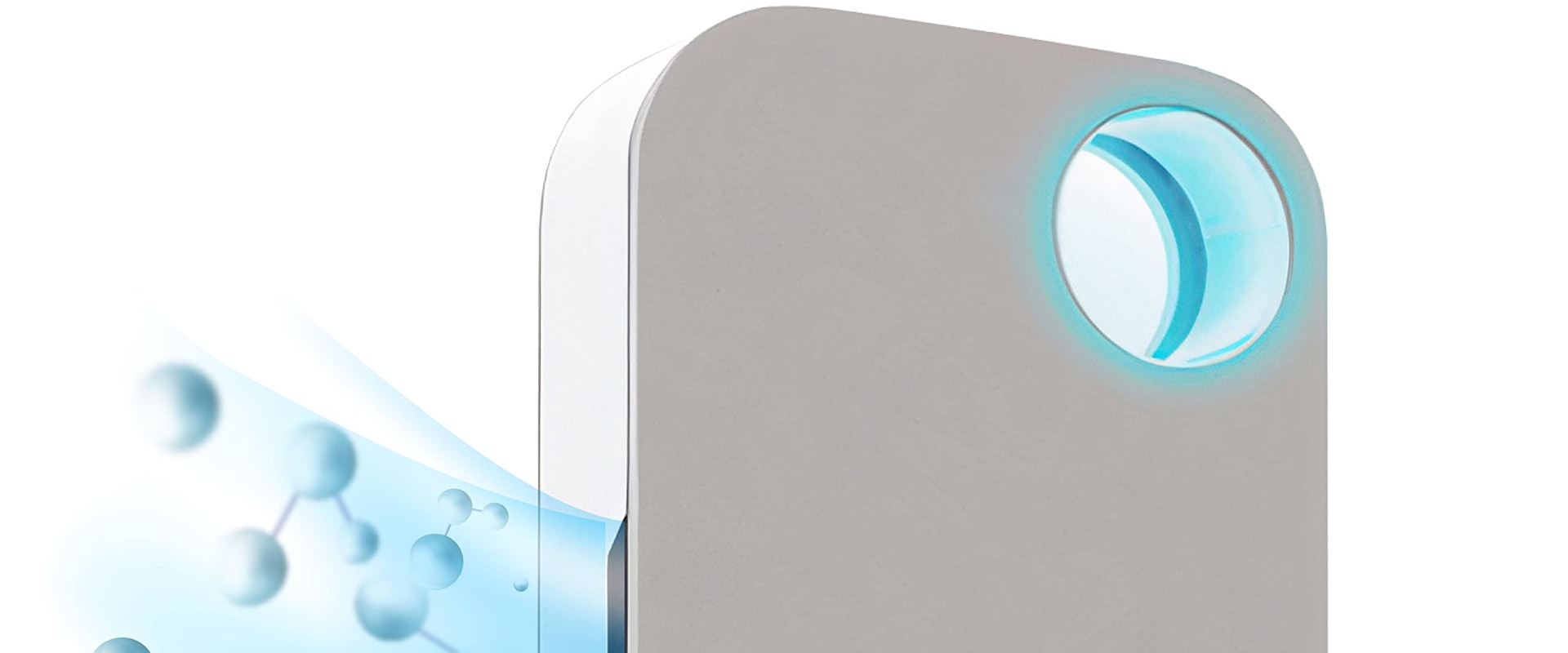
In today’s world, where urbanization and industrialization have significantly impacted our environment, the quality of indoor air has become a pressing concern for many households and workplaces. Air purifiers and ionizers have emerged as popular solutions aimed at enhancing indoor air quality by removing pollutants, allergens, and other harmful particles. These devices are designed to create a healthier living environment, especially for individuals suffering from respiratory issues or allergies. For those looking to improve their overall health, consulting the Ultimate Guide to Properly Detoxing Your Body can provide valuable insights on how to complement these air quality solutions. have emerged as popular solutions aimed at enhancing indoor air quality by removing pollutants, allergens, and other harmful particles. These devices are designed to create a healthier living environment, especially for individuals suffering from respiratory issues or allergies. For those looking to improve their overall health, consulting the Ultimate Guide to Properly Detoxing Your Body can provide valuable insights on how to complement these air quality solutions.
However, understanding how these devices work and their potential implications is crucial for making informed decisions.Air purifiers function by filtering out contaminants from the air, utilizing various technologies such as HEPA filters, activated carbon, and UV light. On the other hand, ionizers operate by emitting charged ions that attach to airborne particles, causing them to clump together and fall out of the air. While both types of devices aim to improve air quality, they do so through different mechanisms, which can lead to varying levels of effectiveness and safety.The relevance of these devices cannot be overstated, particularly in light of recent studies highlighting the adverse effects of poor indoor air quality on health. With many people spending a significant portion of their time indoors, ensuring clean air is essential for overall well-being.
However, as we delve deeper into the topic of air purifiers and ionizers, it is vital to address the concerns surrounding ozone production—a byproduct associated with some ionizing devices. This discussion will shed light on the safety implications of using these products and guide consumers in choosing the right solutions for their homes.
What Are Air Purifiers and How Do They Work?
Air purifiers are devices designed to improve indoor air quality by removing contaminants from the air. They are particularly beneficial for individuals suffering from allergies, asthma, or other respiratory issues. Understanding how these devices work and the different types available can help consumers make informed choices.There are several types of air purifiers, each utilizing different technologies to filter out pollutants:- HEPA Filters: High-Efficiency Particulate Air (HEPA) filters are among the most effective air purification technologies.
They can capture at least 99.97% of particles that are 0.3 microns in size, including dust, pollen, and pet dander. The mechanism involves drawing air through a dense mat of fibers that trap these particles, preventing them from re-entering the environment.
- Activated Carbon Filters: These filters use activated carbon to absorb odors and volatile organic compounds (VOCs). The porous nature of activated carbon allows it to trap gases and chemicals, making it an excellent choice for eliminating smells from cooking, pets, or smoke. However, they do not effectively remove particulate matter.
- Ionic Air Purifiers: Ionic purifiers work by emitting negatively charged ions into the air.
These ions attach to positively charged particles like dust and allergens, causing them to clump together and fall to the ground or stick to surfaces. While this technology can reduce airborne particles, it often produces ozone as a byproduct, which can be harmful to health.
- UV Light Air Purifiers: Ultraviolet (UV) light purifiers use UV light to kill bacteria, viruses, and mold spores in the air. This technology is particularly useful in environments where microbial contamination is a concern. However, UV purifiers typically do not remove particulate matter or odors.
For instance, while HEPA filters excel at capturing small particles, they may not address odors effectively. Conversely, activated carbon filters are great for eliminating smells but do not filter out allergens. Therefore, many consumers opt for a combination of technologies to achieve comprehensive air purification.In summary, understanding the various types of air purifiers and their mechanisms is crucial for selecting the right device for your needs. Whether you prioritize allergen removal or odor control will influence your choice of technology.
The Role of Ionizers in Air Purification
Ionizers play a significant role in the realm of air purification, particularly in devices marketed as air purifiers.These devices utilize a technology that generates negative ions , which are charged particles that can attach themselves to airborne pollutants such as dust, pollen, smoke, and even bacteria. By doing so, ionizers effectively neutralize these particles, causing them to clump together and become heavy enough to fall out of the air or be trapped by filters.One of the primary benefits of ionizers in air purifiers is their ability to enhance indoor air quality by reducing the concentration of allergens and other harmful particles. This can be particularly beneficial for individuals suffering from respiratory issues, allergies, or asthma. The negative ions produced by these devices can also contribute to a feeling of freshness in the air, reminiscent of the clean atmosphere found near waterfalls or after a rainstorm.However, while the benefits of ionizers are noteworthy, it is essential to consider some potential drawbacks associated with their use:
- Ozone Production: Many ionizers generate ozone as a by-product.
Ozone can be harmful to human health, especially for those with pre-existing respiratory conditions. It is crucial to choose ionizer models that minimize ozone emissions.
- Limited Particle Removal: While ionizers can reduce airborne particles, they may not be as effective at removing larger particles or certain types of pollutants compared to HEPA filters. This limitation means that relying solely on an ionizer may not provide comprehensive air purification.
- Maintenance Requirements: Ionizers often require regular cleaning and maintenance to ensure optimal performance. Dust and other particles can accumulate on the ionizing plates, reducing their effectiveness over time.
When considering an air purifier with ionizer technology, consumers should prioritize models that adhere to safety standards and effectively balance performance with health considerations.
Ozone: The Hidden Danger of Some Air Purifiers
When considering air purifiers, it is crucial to understand the potential dangers associated with ozone production. Ozone is a gas composed of three oxygen atoms, and while it occurs naturally in the atmosphere, its presence at ground level can be harmful to human health. Certain air purifiers, particularly those marketed as ionizers or ozone generators, can produce ozone as a byproduct of their operation.How Ozone is Generated
- Ozone is created when oxygen molecules (O2) are split by electrical discharges or ultraviolet light, allowing them to recombine into ozone (O3).
- Many air purifiers utilize high-voltage electrical currents to generate negative ions, which can attach to airborne particles. However, this process can also lead to the unintended production of ozone.
- Some manufacturers intentionally design their devices to emit ozone, claiming it helps eliminate odors and pollutants.
This practice raises significant health concerns.
Health Risks Associated with Ozone
The inhalation of ozone can lead to a variety of health issues, particularly for sensitive populations such as children, the elderly, and individuals with pre-existing respiratory conditions. The following are some of the documented health risks:
- Respiratory Irritation: Ozone is a potent lung irritant that can cause coughing, throat irritation, and shortness of breath.
- Asthma Exacerbation: For those with asthma, exposure to elevated levels of ozone can trigger attacks and worsen symptoms.
- Decreased Lung Function: Long-term exposure to ozone can lead to reduced lung function and increased susceptibility to respiratory infections.
- Cardiovascular Issues: Emerging research suggests that ozone exposure may also contribute to cardiovascular problems.
Caution for Consumers
Given the potential health risks associated with ozone generation in air purifiers, consumers should exercise caution when selecting these devices. It is essential to:
- Research products thoroughly and look for independent testing results regarding ozone emissions.
- Avoid air purifiers that specifically advertise ozone generation as a feature.
- Consider alternatives such as HEPA filters that do not produce ozone while effectively removing airborne pollutants.
Health Implications of Ozone Exposure
Ozone exposure poses significant health risks, particularly for individuals with pre-existing respiratory conditions such as asthma and allergies.Scientific research has consistently demonstrated a correlation between elevated ozone levels and various health complications, making it crucial to understand the implications of this common air pollutant.One of the primary health effects of ozone is its role as a potent lung irritant. When inhaled, ozone can lead to a range of respiratory issues, including:
- Increased airway inflammation: Ozone exposure can cause swelling and irritation in the airways, leading to difficulty breathing and exacerbating conditions like asthma.
- Worsening of asthma symptoms: Studies have shown that ozone can trigger asthma attacks, increasing the frequency and severity of symptoms such as wheezing, coughing, and shortness of breath.
- Reduced lung function: Long-term exposure to ozone has been linked to decreased lung function, particularly in children and individuals with pre-existing respiratory issues.
- Increased susceptibility to respiratory infections: Ozone can compromise the immune response in the lungs, making individuals more vulnerable to infections such as pneumonia and bronchitis.
- Coughing or throat irritation
- Chest pain or discomfort
- Shortness of breath during physical activity
- Increased mucus production
Children are particularly susceptible due to their developing lungs and higher levels of outdoor activity, which increases their exposure to ozone.In conclusion, understanding the health implications of ozone exposure is essential for making informed decisions about air quality. For those with respiratory conditions or heightened sensitivity, minimizing exposure to ozone is critical for maintaining overall health and well-being.
Alternatives to Ozone-Generating Air Purifiers
When it comes to improving indoor air quality, it is crucial to consider alternatives to ozone-generating air purifiers. These alternatives not only enhance the air we breathe but also prioritize our health and well-being. Below are some effective options that can help you achieve cleaner air without the risks associated with ozone exposure.HEPA Air Purifiers
One of the most reliable solutions for indoor air purification is the use of HEPA air purifiers.HEPA, which stands for High-Efficiency Particulate Air, refers to a type of filter that can trap a significant percentage of airborne particles. Specifically, HEPA filters are designed to capture at least 99.97% of particles that are 0.3 microns in size, including:
- Pollen
- Dust mites
- Pet dander
- Mold spores
- Smoke particles
Natural Air Purification Methods
In addition to mechanical filtration, there are several natural methods to enhance indoor air quality:- Ventilation: Regularly opening windows allows fresh outdoor air to circulate, diluting indoor pollutants.
- Houseplants: Certain plants, such as spider plants, peace lilies, and snake plants, can naturally filter toxins from the air while also adding aesthetic value to your space.
- Essential Oils: Using essential oils in a diffuser can not only improve the scent of your home but also provide antimicrobial properties that help purify the air.
- Regular Cleaning: Keeping surfaces dust-free and vacuuming with a HEPA-filter vacuum can significantly reduce allergens and pollutants.
By opting for HEPA air purifiers or implementing natural purification methods, you can effectively improve your indoor air quality without compromising your health.
Choosing the Right Air Purifier: What to Look For
When it comes to selecting the right air purifier for your home or office, understanding the key features and specifications is essential. With a plethora of options available, making an informed choice can significantly enhance your indoor air quality. Here are some critical factors to consider:- Filter Type: The type of filter used in an air purifier is one of the most important aspects to evaluate. HEPA (High-Efficiency Particulate Air) filters are highly recommended as they can capture 99.97% of particles that are 0.3 microns or larger, including dust, pollen, and pet dander.
Some purifiers also include activated carbon filters, which are effective at removing odors and volatile organic compounds (VOCs).
- Room Size Compatibility: Air purifiers come with different coverage capacities. It’s crucial to choose a model that matches the size of the room where it will be used. Check the Clean Air Delivery Rate (CADR) rating, which indicates how quickly the purifier can clean the air in a specific area. For optimal performance, select a purifier that is rated for a room size larger than your actual space.
- Noise Levels: Noise can be a significant factor, especially if you plan to use the air purifier in a bedroom or office.
Look for models that offer multiple fan speeds and check the decibel (dB) rating. Many modern air purifiers operate quietly on lower settings, allowing for peaceful environments.
- Maintenance Requirements: Consider how often you will need to replace filters and perform maintenance on the unit. Some air purifiers have washable filters that can save you money over time, while others may require frequent filter changes. Always check the cost and availability of replacement filters before making a purchase.
- Energy Efficiency: Look for energy-efficient models that have an Energy Star certification.
These units consume less power while still providing effective air purification, helping you save on electricity bills.
- Additional Features: Many air purifiers come with extra features such as air quality sensors, smart connectivity, and programmable timers. These can enhance usability and allow you to monitor air quality in real-time.
Frequently Asked Questions About Air Purifiers and Ozone Safety
As consumers become more aware of indoor air quality, many questions arise regarding the safety and effectiveness of air purifiers, particularly those that utilize ionization technology. Below are some frequently asked questions that can help clarify common misconceptions and provide essential information about ozone safety and air purifiers.What is an air purifier ionizer?
An air purifier ionizer is a device that uses ionization to remove particles from the air.It works by emitting negatively charged ions that attach to positively charged particles, such as dust, pollen, and smoke, causing them to clump together and fall to the ground or be trapped in a filter. While this technology can reduce airborne pollutants, it often produces ozone as a by-product, which raises safety concerns.
Is ozone harmful to health?
Yes, ozone can be harmful to human health. It is a potent lung irritant that can exacerbate respiratory conditions like asthma and allergies. The Environmental Protection Agency (EPA) has set standards for ozone levels in outdoor air, but indoor levels can sometimes exceed these limits due to the use of certain air purifiers.Prolonged exposure to elevated ozone levels can lead to serious health issues, including decreased lung function and increased susceptibility to respiratory infections.
How can I tell if my air purifier produces ozone?
- Check the specifications: Look for any mention of ozone production in the product description or user manual.
- Look for certifications: Devices certified by organizations like the California Air Resources Board (CARB) are tested for ozone emissions and must meet strict safety standards.
- Monitor your symptoms: If you notice increased respiratory issues or irritation while using an ionizing air purifier, it may be producing harmful levels of ozone.
Are there safer alternatives to ionizing air purifiers?
Yes, there are several safer alternatives for improving indoor air quality:- HEPA filters: High-Efficiency Particulate Air (HEPA) filters effectively capture allergens and pollutants without producing ozone.
- Activated carbon filters: These filters can absorb odors and volatile organic compounds (VOCs) without generating harmful by-products.
- Naturally ventilating: Opening windows and using exhaust fans can help improve indoor air quality without the risks associated with ozone.
Conclusion: Making Informed Choices for Indoor Air Quality
In conclusion, the conversation surrounding air purifier ionizer companies and their products is more critical than ever. As we have explored throughout this article, the potential dangers associated with ozone-generating devices cannot be overstated. While the allure of cleaner air and improved indoor environments is enticing, it is essential to recognize that not all air purification technologies are created equal.Understanding the risks of ozone exposure is paramount.Ozone, while effective in certain industrial applications, poses significant health risks when inhaled. It can exacerbate respiratory issues, trigger asthma attacks, and lead to long-term lung damage. Therefore, consumers must approach products marketed as air purifiers with a discerning eye.When considering options for improving indoor air quality, it is crucial to prioritize safety and efficacy. Here are some key takeaways to guide your decision-making:
- Research Products Thoroughly: Before purchasing any air purification device, investigate its technology and read reviews from credible sources.
Look for certifications that indicate compliance with safety standards.
- Opt for HEPA Filters: Devices equipped with HEPA filters are proven to effectively capture allergens and pollutants without emitting harmful ozone. These filters can trap particles as small as 0.3 microns, making them a reliable choice for cleaner air.
- Consider Natural Alternatives: Simple methods such as increasing ventilation by opening windows or using houseplants can significantly enhance indoor air quality without the risks associated with ozone-generating devices.
- Stay Informed: The field of indoor air quality is continually evolving. Stay updated on new research and recommendations from health organizations regarding air purification technologies.
Your health deserves nothing less than informed decisions based on solid evidence and expert guidance.