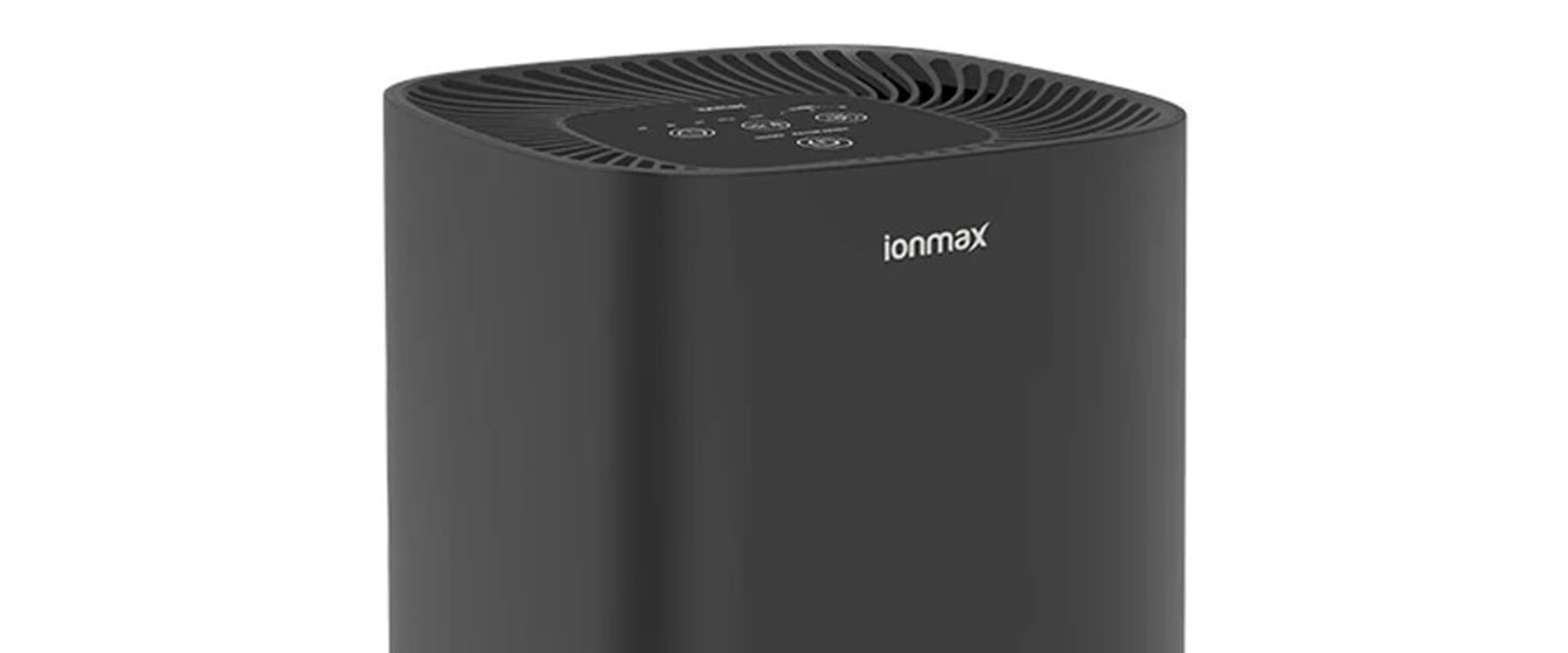
In today's world, where we spend a significant amount of time indoors, the quality of the air we breathe has become a crucial concern. Indoor air pollution can stem from various sources, including household cleaning products, cooking fumes, pet dander, and even mold. These pollutants can lead to a range of health issues, from allergies and asthma to more severe respiratory conditions. This is where air purifiers come into play, serving as essential devices designed to enhance indoor air quality by filtering out harmful particles and contaminants.Air purifiers work by employing different technologies to capture and neutralize airborne pollutants.
Among the most popular types are HEPA (High-Efficiency Particulate Air) purifiers and ionic air purifiers. Each type has its unique mechanism for improving air quality, making it vital for consumers to understand their differences and benefits. As we delve deeper into this comparison, it’s important to recognize that the right choice can significantly impact your health and well-being.Investing in an air purifier is not just about comfort; it’s about creating a healthier living environment. With rising awareness of the effects of indoor air pollution, many households are turning to these devices as a proactive measure.
Whether you’re dealing with seasonal allergies or simply want to ensure cleaner air for your family, understanding how these purifiers function will empower you to make an informed decision.As we explore the distinctions between HEPA and ionic air purifiers, we will uncover their effectiveness in removing contaminants, maintenance requirements, and overall value. This knowledge will help you choose the best solution for your specific needs and contribute to a healthier indoor atmosphere.
What is a HEPA Air Purifier?
A HEPA air purifierHEPA air purifier is a specialized device designed to enhance indoor air quality by effectively capturing and filtering out a wide range of airborne particles. The acronym HEPA stands for High Efficiency Particulate Air, which refers to the filter's ability to trap particles as small as 0.3 microns with an efficiency of 99.97%. This remarkable capability makes HEPA filters a popular choice for households and businesses alike, especially for those concerned about allergens and pollutants.So, how does a HEPA air purifier work? The technology behind it is relatively straightforward yet highly effective.Air is drawn into the purifier through a fan, which then passes through the HEPA filter. The filter consists of a dense mat of fibers that create a maze-like structure. As air flows through this maze, particles become trapped in the fibers due to various mechanisms such as interception, inertial impaction, and diffusion. This process ensures that even the tiniest particles, including dust mites, pollen, pet dander, mold spores, and some bacteria and viruses, are effectively removed from the air.The benefits of using a HEPA air purifier extend beyond just particle removal.
Here are some key advantages:
- Allergen Reduction: HEPA filters are particularly effective at capturing common allergens, making them an excellent choice for individuals with allergies or asthma.
- Improved Respiratory Health: By removing harmful particles from the air, HEPA purifiers can help reduce respiratory issues and promote overall lung health.
- Odor Control: Many HEPA air purifiers come equipped with additional filters, such as activated carbon filters, which can help eliminate unpleasant odors from cooking, pets, or smoke.
- Enhanced Comfort: Cleaner air contributes to a more comfortable living environment, reducing irritation caused by airborne irritants.
What is an Ionic Air Purifier?
An ionic air purifier is a type of air cleaning device that utilizes charged particles to improve indoor air quality. Unlike traditional air purifiers that rely on filters to capture pollutants, ionic purifiers work by emitting negatively charged ions into the air. These ions attach themselves to positively charged particles, such as dust, pollen, smoke, and other allergens, causing them to clump together and become heavier.As a result, these particles either fall to the ground or stick to surfaces in the room, effectively reducing their presence in the air we breathe.
How Ionic Purifiers Work
The mechanism of action for ionic purifiers is relatively straightforward. When the device is turned on, it generates a stream of negative ions through a process called ionization. This process can occur via various methods, including:
- Corona Discharge: This method involves applying a high voltage to a metal electrode, which creates a corona discharge that releases ions into the air.
- Ultrasonic Waves: Some ionic purifiers use ultrasonic technology to create vibrations that generate negative ions.
- Photoelectric Effect: This method uses light energy to produce ions through photochemical reactions.
Benefits of Ionic Purifiers
Ionic air purifiers offer several advantages that make them appealing for consumers looking to enhance their indoor environment:
- Low Maintenance: Unlike HEPA filters that require regular replacement, ionic purifiers typically do not have filters that need changing.
This can lead to lower long-term costs.
- Energy Efficient: Ionic purifiers generally consume less electricity compared to traditional models, making them an eco-friendly option.
- Odor Reduction: By removing particles that contribute to unpleasant smells, ionic purifiers can help create a fresher indoor atmosphere.
- Compact Design: Many ionic purifiers are small and portable, allowing for easy placement in various rooms or spaces.
Comparative Effectiveness: HEPA vs Ionic Air Purifiers
When evaluating the effectiveness of air purifiers, it is essential to consider how well they remove various contaminants from indoor air. Both HEPA and ionic air purifiers have their unique mechanisms, leading to different levels of efficiency in air purification.HEPA Air Purifiers
- HEPA (High-Efficiency Particulate Air) filters are designed to capture at least 99.97% of particles that are 0.3 microns in diameter.
This includes a wide range of pollutants such as:
- Dust mites
- Pollen
- Pet dander
- Mold spores
- Smoke particles
- Bacteria and some viruses
- The effectiveness of HEPA filters is backed by rigorous testing and standards set by organizations like the U. S. Department of Energy.
- HEPA purifiers continuously filter the air, ensuring that contaminants are trapped and do not re-enter the living space.
Ionic Air Purifiers
- Ionic air purifiers operate by emitting negatively charged ions into the air, which attach to positively charged particles, causing them to clump together and settle on surfaces.
- While this method can reduce airborne particles, it does not effectively remove them from the environment. Instead, contaminants may still be present in the air, posing potential health risks.
- Scientific studies indicate that ionic purifiers may not capture smaller particles as effectively as HEPA filters, particularly those under 0.3 microns.
Comparative Analysis
- In terms of overall effectiveness, HEPA air purifiers are superior for individuals concerned about respiratory health or allergies due to their ability to trap a higher percentage of harmful particles.
- Ionic purifiers may be less effective in environments with high levels of dust or allergens since they do not actively remove particles from the air.
- For those seeking a cleaner indoor atmosphere, especially in homes with pets or allergy sufferers, HEPA technology is generally recommended over ionic systems.
This makes them a more reliable choice for maintaining a healthy living environment.
Health Implications of Using Air Purifiers
Using air purifiers can significantly enhance indoor air quality, leading to numerous health benefits, particularly for individuals with respiratory issues or allergies. The effectiveness of these devices in removing airborne pollutants can have a profound impact on overall well-being.Respiratory Health
For those suffering from asthma, chronic obstructive pulmonary disease (COPD), or other respiratory conditions, clean air is essential. Air purifiers equipped with HEPA filters are particularly effective at capturing fine particles such as dust, pollen, and pet dander, which are common triggers for respiratory problems. By reducing the concentration of these allergens in the air, individuals may experience fewer asthma attacks and improved lung function.Moreover, air purifiers can help mitigate the effects of indoor air pollution caused by volatile organic compounds (VOCs) emitted from household products like paints, cleaners, and furniture.
Prolonged exposure to VOCs can lead to respiratory irritation and other health issues. By filtering out these harmful substances, air purifiers contribute to a healthier living environment.
Allergen Removal
Allergies affect millions of people, and managing symptoms often requires a multi-faceted approach. Air purifiers play a crucial role in this strategy by effectively removing allergens from the air. Common allergens include:
- Pollen: Seasonal allergies can be exacerbated by pollen from trees, grasses, and weeds.
Air purifiers can significantly reduce pollen levels indoors.
- Dust Mites: These microscopic creatures thrive in bedding and upholstery. HEPA filters trap dust mites and their waste products, which are known allergens.
- Pet Dander: For pet owners, dander can be a persistent allergen. Air purifiers help capture these particles, providing relief for sensitive individuals.
By investing in an air purifier, you not only protect your physical health but also create a more conducive environment for relaxation and productivity.In conclusion, the health implications of using air purifiers are significant. From enhancing respiratory health to alleviating allergy symptoms, these devices serve as an essential tool for maintaining a healthy indoor environment. Whether you suffer from chronic respiratory conditions or simply want to breathe easier at home, incorporating an air purifier into your space can lead to noticeable improvements in your quality of life.
Maintenance and Cost Considerations
When choosing between HEPA and ionic air purifiers, understanding the maintenance requirements and associated costs is crucial for making an informed decision. Each type of air purifier has its own set of upkeep needs that can impact your long-term investment.Maintenance of HEPA Air Purifiers
HEPA air purifiers are known for their efficiency in capturing airborne particles, but they do require regular maintenance to ensure optimal performance.The primary maintenance task involves replacing the HEPA filter:
- Filter Replacement: Most HEPA filters need to be replaced every 6 to 12 months, depending on usage and air quality. The cost of replacement filters can range from $20 to $100, depending on the brand and model.
- Pre-Filters: Some HEPA purifiers come with pre-filters that capture larger particles. These may need to be cleaned or replaced more frequently, adding to the overall maintenance cost.
- Regular Cleaning: The exterior and any accessible parts of the unit should be wiped down regularly to prevent dust buildup, which can affect performance.
Upkeep of Ionic Air Purifiers
Ionic air purifiers operate differently than HEPA models and have distinct maintenance needs:- No Filter Replacement: One of the main advantages of ionic purifiers is that they do not use traditional filters, which eliminates the need for costly replacements. However, this does not mean they are maintenance-free.
- Cleaning Ionization Plates: Ionic purifiers typically have ionization plates that need to be cleaned regularly—usually every few weeks—to maintain efficiency.
This process can be as simple as rinsing them under water.
- Surface Dusting: Since ionic purifiers cause particles to settle on surfaces, regular dusting and cleaning of your home are necessary to remove these particles from your living space.
Cost Considerations
The initial purchase price of both types of air purifiers can vary widely based on features and brand reputation. However, ongoing costs should also be factored into your decision:- HEPA Purifier Costs: While HEPA air purifiers may have a higher upfront cost (ranging from $100 to over $500), the recurring expense of filter replacements can add up over time.
- Ionic Purifier Costs: Ionic air purifiers generally have a lower initial cost (often between $50 and $300) and no filter replacement costs, making them appealing for budget-conscious consumers.
Additional Features to Consider in Air Purifiers
When selecting an air purifier, it’s essential to look beyond just the filtration technology. Various additional features can significantly enhance the user experience and effectiveness of the device.Here are some key aspects to consider:
Smart Technology
In today’s tech-savvy world, many air purifiers come equipped with smart technology. This feature allows users to control their devices remotely via smartphone apps or smart home systems. With smart air purifiers, you can:- Monitor air quality: Many models provide real-time updates on indoor air quality, allowing you to see how effective the purifier is at removing pollutants.
- Set schedules: You can program the purifier to operate at specific times, ensuring that your home is always filled with clean air when you need it most.
- Receive alerts: Some smart purifiers send notifications when filters need replacement or when air quality drops below a certain level.
Noise Levels
The noise level of an air purifier is another critical factor to consider, especially if you plan to use it in a bedroom or office. Most manufacturers provide a decibel (dB) rating for their products, which can help you gauge how loud the unit will be during operation.Here are some points to keep in mind:
- Quiet operation: Look for models that operate quietly, particularly those with a "sleep mode" that reduces noise levels during nighttime use.
- Fan speed settings: Air purifiers with multiple fan speeds allow you to adjust the noise level according to your preference and needs.
- Sound ratings: A unit rated below 30 dB is considered whisper-quiet, while anything above 50 dB may be disruptive in quiet environments.
Common Myths About Air Purifiers Debunked
When it comes to air purifiers, there are numerous myths and misconceptions that can lead to confusion among consumers. Understanding the truth behind these myths is essential for making informed decisions about which type of air purifier is best for your needs. Here, we debunk some of the most common myths surrounding HEPA and ionic air purifiers.- Myth 1: All air purifiers are the same.
This is far from the truth.Air purifiers vary significantly in their technology and effectiveness. HEPA filters are designed to capture a wide range of particles, while ionic purifiers work by charging particles to make them stick to surfaces. Each type has its strengths and weaknesses, making it crucial to choose one that aligns with your specific air quality needs.
- Myth 2: Ionic air purifiers are just as effective as HEPA filters.
While ionic purifiers can help reduce airborne particles, they do not remove them from the air. Instead, they cause particles to settle on surfaces, which can still be inhaled if not cleaned regularly.In contrast, HEPA filters capture 99.97% of particles as small as 0.3 microns, making them far more effective for improving indoor air quality.
- Myth 3: Air purifiers are only necessary for allergy sufferers.
While individuals with allergies or asthma can greatly benefit from using an air purifier, they are also beneficial for anyone looking to improve their overall indoor air quality. Pollutants such as dust, pet dander, smoke, and even volatile organic compounds (VOCs) can affect everyone’s health. - Myth 4: HEPA filters need constant replacement.
Although HEPA filters do require periodic replacement, many models come with indicators that alert you when it’s time to change the filter. Regular maintenance ensures that the purifier operates at peak efficiency without unnecessary costs. - Myth 5: Ionic purifiers produce harmful ozone.
While some ionic purifiers can emit ozone as a byproduct, many modern models are designed to minimize this emission. However, it’s essential to research and choose a reputable brand that adheres to safety standards regarding ozone production.
Whether you opt for a HEPA filter or an ionic model, understanding how each works will help you achieve cleaner and healthier indoor air.
User Experiences: Real-Life Testimonials
When it comes to choosing between HEPA and ionic air purifiers, user experiences can provide valuable insights into their effectiveness and overall satisfaction. Here, we present testimonials from individuals who have used both types of air purifiers, highlighting their personal experiences and preferences.HEPA Air Purifier Testimonials
- Sarah M., Allergies Sufferer: "I’ve struggled with allergies for years, and after purchasing a HEPA air purifier, I noticed a significant reduction in my symptoms. The air feels cleaner, and I can breathe easier at home. I love that it captures dust and pollen effectively!"
- John T., Pet Owner: "As a dog owner, pet dander was a constant issue in my home.
Since I started using a HEPA purifier, the air quality has improved dramatically. It’s amazing how much less I sneeze now!"
- Linda R., Asthma Patient: "My doctor recommended a HEPA air purifier to help manage my asthma. I’ve been using it for six months, and I can honestly say it has made a difference. My breathing is easier, especially during allergy season."
Ionic Air Purifier Testimonials
- Mark D., General User: "I decided to try an ionic air purifier because it was more affordable and didn’t require filter replacements.
While I appreciate the low maintenance, I’m not sure it’s as effective as my friend’s HEPA model. I still notice dust accumulating on surfaces."
- Emily K., Health Enthusiast: "Ionic purifiers are great for reducing odors in my kitchen. I love cooking, and sometimes the smells linger. The ionic purifier helps clear the air quickly, but I do find myself cleaning surfaces more often."
- Tom H., Skeptical User: "I was hesitant about ionic purifiers because I read mixed reviews.
After using one for a few months, I feel like it does help with some airborne particles, but I still prefer the peace of mind that comes with a HEPA filter."
<strong>Conclusion: Making the Right Choice for Your Home</strong>
In summary, the debate between HEPA and ionic air purifiers ultimately hinges on your specific needs and circumstances. Each type of air purifier has its unique strengths and weaknesses, making them suitable for different environments and user preferences.HEPA air purifiers
are renowned for their exceptional ability to capture a wide range of airborne particles, including allergens, dust, pet dander, and even some bacteria and viruses. Their efficiency in filtering out 99.97% of particles as small as 0.3 microns makes them an ideal choice for individuals with respiratory issues or allergies.
If you are looking for the best air purifier for home use, especially in spaces where air quality is a concern, a HEPA purifier is likely your best bet.On the other hand, ionic air purifiers offer a different approach by using negative ions to attract and settle airborne particles onto surfaces. While they can help reduce visible dust and allergens in the air, they do not actively filter or remove these particles from the environment. This means that while they may improve the appearance of your indoor air quality, they might not be as effective in providing a truly clean atmosphere as HEPA filters.When considering which type of air purifier to invest in, think about the following:
- Your Health Needs: If you or someone in your household suffers from allergies or asthma, a HEPA air purifier is highly recommended.
- Maintenance Preferences: HEPA filters require regular replacement, while ionic purifiers need periodic cleaning but no filter changes.
- Room Size: Ensure that the chosen air purifier is suitable for the size of the room where it will be used.
- Noise Levels: Consider how much noise you can tolerate; some HEPA models can be noisier than ionic ones.
Whether you choose a HEPA or ionic model, ensuring that you have some form of air purification in your home is a step towards creating a healthier living environment.