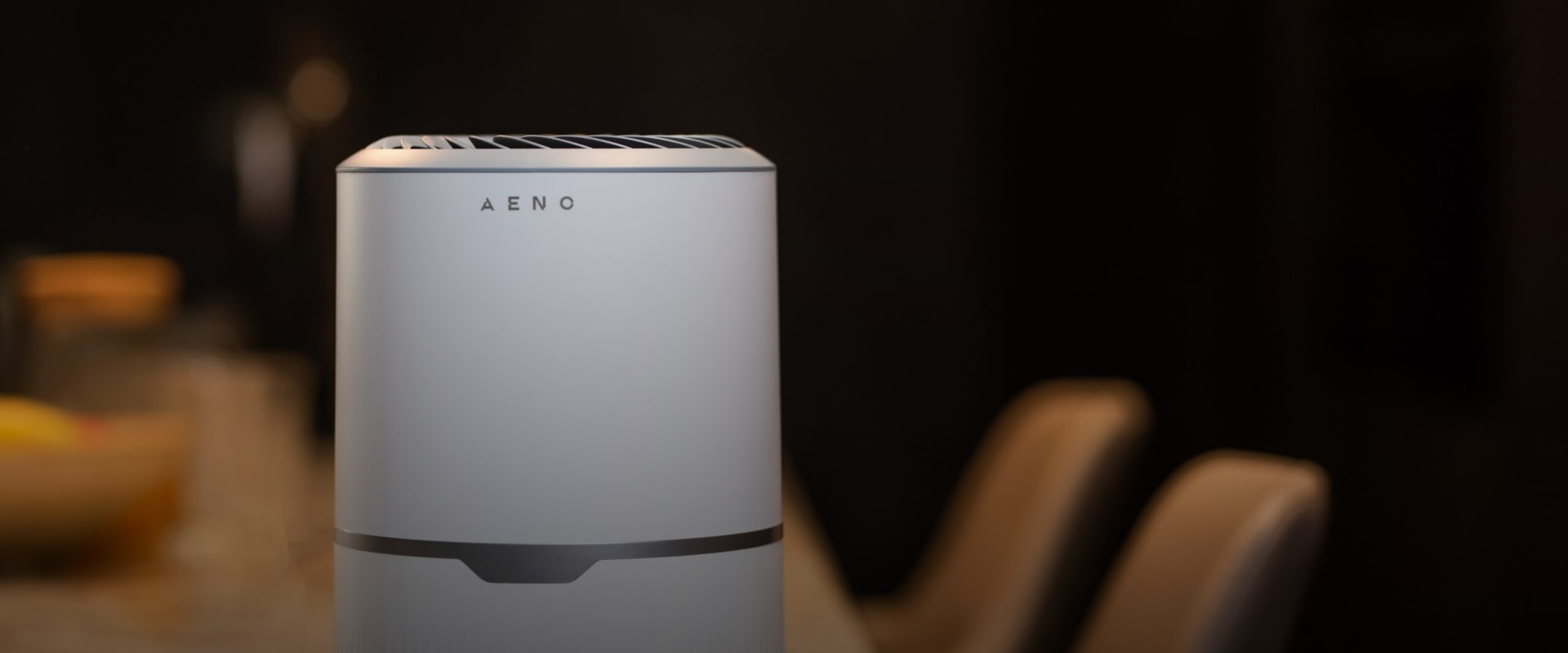
In today's world, where urbanization and industrialization have significantly impacted air quality, understanding the role of air purifiers and ionizers is more crucial than ever. These devices are designed to enhance indoor air quality by removing pollutants, allergens, and other harmful particles from the air we breathe. With increasing awareness about the health implications of poor air quality, many consumers are turning to these technologies to create a healthier living environment that can positively influence their overall health status.An is more crucial than ever. These devices are designed to enhance indoor air quality by removing pollutants, allergens, and other harmful particles from the air we breathe. With increasing awareness about the health implications of poor air quality, many consumers are turning to these technologies to create a healthier living environment that can positively influence their overall health status.An air purifier is a device that filters and cleans the air in a room or an entire building. It works by drawing in air, trapping contaminants such as dust, pollen, pet dander, and smoke particles, and then releasing purified air back into the environment.
Various types of air purifiers utilize different technologies, including HEPA filters, activated carbon filters, and UV light systems. Each type has its unique advantages and is suited for specific needs.On the other hand, ionizers operate on a different principle. These devices emit negatively charged ions into the air, which attach themselves to positively charged particles like dust and allergens. This process causes the particles to clump together and become heavy enough to fall to the ground or be captured by filters in the air purifier.
While ionizers can effectively reduce airborne pollutants, they have sparked debate regarding their safety and potential ozone production.As consumers explore options from various air purifier ionizer companies, it is essential to understand how these devices function and their impact on indoor air quality. By delving deeper into the mechanics of air purifiers and ionizers, we can make informed decisions that prioritize our health and well-being while enjoying cleaner air in our homes.
How Ionizers Work: The Science Behind Air Purification
Understanding how ionizers work is essential for grasping their role in air purification. At the core of this technology is the process of ionization, which involves the emission of negative ions into the air. These ions are created when an ionizer uses high voltage to charge air molecules, resulting in the release of negatively charged particles.Once emitted, these negative ions attach themselves to positively charged particles such as dust, pollen, smoke, and other allergens.This process causes the particles to clump together, increasing their weight and making them easier to capture by filters or causing them to settle on surfaces instead of remaining airborne. This is a crucial aspect of how ionizers contribute to cleaner indoor air.Unlike traditional air purifiers that rely on filters to trap pollutants, ionizers utilize a different mechanism. While HEPA filters can effectively remove particles from the air, they require regular maintenance and replacement. In contrast, ionizers can operate continuously without the need for frequent filter changes, making them a more convenient option for some users.However, it’s important to note that not all ionizers are created equal.
Some models may produce small amounts of ozone as a byproduct of the ionization process. Ozone can be harmful at high concentrations; therefore, consumers should look for products that are designed to minimize ozone production. Reputable air purifier ionizer companies often provide specifications regarding ozone emissions, ensuring that their products meet safety standards.In summary, the science behind ionizers lies in their ability to emit negative ions that purify the air by neutralizing harmful particles. This unique method sets them apart from other air purification technologies and highlights their potential benefits when used correctly.
As consumers become more informed about these devices, they can make better choices regarding their indoor air quality.
The Benefits of Using Air Purifiers with Ionizers
Utilizing air purifiers equipped with ionization technology can significantly enhance the quality of the air we breathe, leading to a multitude of health benefits. These devices not only filter out harmful particles but also introduce negative ions into the environment, which can have a profound impact on our overall well-being.1.Improved Mood and Mental Clarity
One of the most notable benefits of using an air purifier with an ionizer is its potential to improve mood and mental clarity. Negative ions are believed to increase the flow of oxygen to the brain, which can help enhance alertness and reduce feelings of fatigue. Studies have shown that exposure to negative ions can lead to a decrease in symptoms of depression and anxiety, making these devices particularly beneficial for individuals who spend long hours indoors.
2.Reduction of Allergens and Irritants
Air purifiers with ionizers are effective at reducing common allergens such as pollen, dust mites, and pet dander.
The negative ions emitted by these devices attach themselves to positively charged particles in the air, causing them to clump together and fall to the ground or be trapped in the purifier’s filter. This process not only cleans the air but also helps alleviate allergy symptoms, providing relief for those who suffer from seasonal allergies or asthma.
3.Enhanced Immune Function
Another significant advantage of using an air purifier with an ionizer is its ability to bolster the immune system. Clean air is essential for maintaining optimal health, as pollutants and allergens can weaken our defenses against illness. By reducing airborne contaminants, these devices help create a healthier indoor environment that supports immune function.
Furthermore, some studies suggest that negative ions may stimulate the production of white blood cells, which play a crucial role in fighting infections.
4.Odor Elimination
Air purifiers with ionization capabilities are also effective at neutralizing unpleasant odors from cooking, pets, smoke, and other sources. The negative ions interact with odor-causing particles, breaking them down and rendering them less detectable. This feature is particularly advantageous for households with pets or for those who frequently cook indoors.
5.Overall Air Quality Improvement
Incorporating an air purifier with an ionizer into your home can lead to a noticeable improvement in overall air quality. By continuously filtering out pollutants and introducing beneficial negative ions into your living space, these devices create a healthier atmosphere conducive to better physical and mental health.In conclusion, the benefits of using air purifiers with ionizers extend far beyond mere air filtration.
From enhancing mood and reducing allergens to supporting immune function and eliminating odors, these devices play a vital role in promoting a healthier indoor environment.
Common Misconceptions About Ionizers and Ozone Production
When it comes to air purifiers equipped with ionizers, there are several misconceptions that can lead to confusion among consumers. One of the most prevalent myths is the belief that all ionizers produce harmful levels of ozone. This misunderstanding often stems from a lack of clarity regarding how ionizers function compared to ozone generators.Understanding Ionizers vs. Ozone Generators
- Ionizers: These devices work by emitting negative ions into the air.
These ions attach themselves to airborne particles, such as dust, pollen, and smoke, causing them to clump together and fall to the ground or be trapped in filters. This process effectively cleans the air without generating significant amounts of ozone.
- Ozone Generators: In contrast, ozone generators intentionally produce ozone as a means of purifying the air. While ozone can neutralize odors and kill certain bacteria, high concentrations can be harmful to human health, leading to respiratory issues and other complications.
When shopping for an air purifier ionizer, it is crucial to look for products that are certified by regulatory agencies and have undergone rigorous testing for safety.
Are Ionizers Safe?
The safety of ionizers has been supported by various studies and endorsements from organizations like the Environmental Protection Agency (EPA). The EPA has classified ionizers as safe for use in homes and offices, provided they meet specific safety standards. It’s essential for consumers to educate themselves about the differences between ionizers and ozone generators to make informed decisions.In conclusion, while misconceptions about ionizers and ozone production persist, understanding the fundamental differences between these technologies can help consumers choose safe and effective air purification solutions. By selecting reputable brands and models designed with safety in mind, individuals can enjoy cleaner air without unnecessary health risks.
Choosing a Safe and Effective Air Purifier with Ionizer
When it comes to selecting a safe and effective air purifier with an ionizer, the choices can be overwhelming.With numerous brands and models available, it’s crucial to approach your decision with careful consideration and thorough research. Here are some key factors to keep in mind when choosing the best air purifier ionizer company.
1.Research Reputable Brands
- Start by identifying well-known brands that specialize in air purification technology. Look for companies that have a solid reputation for quality and customer service.
- Check if the brand has certifications from recognized organizations, such as the Association of Home Appliance Manufacturers (AHAM) or the Environmental Protection Agency (EPA). These certifications can provide assurance of the product's effectiveness and safety.
2.Read Consumer Reviews
- Consumer reviews can offer valuable insights into the performance and reliability of specific models.
Look for reviews on reputable websites and forums where users share their experiences.
- Pay attention to feedback regarding ozone production, noise levels, and overall satisfaction. This information can help you gauge whether a particular model meets your needs.
3.Understand Product Specifications
- Examine the specifications of each air purifier, focusing on its filtration system, coverage area, and ionization technology. A good air purifier should effectively remove pollutants while minimizing ozone output.
- Consider features such as adjustable fan speeds, filter replacement indicators, and energy efficiency ratings. These aspects can enhance your user experience and ensure long-term satisfaction.
4.Compare Prices
- While price shouldn’t be the sole determining factor, it’s essential to compare costs among different brands and models.
Sometimes, higher-priced units offer better technology and lower maintenance costs in the long run.
- Look for sales or discounts from reputable retailers to get the best value for your investment.
5.Consult Experts
- If you’re still uncertain about which air purifier to choose, consider consulting with experts in indoor air quality or HVAC professionals. They can provide personalized recommendations based on your specific needs.
- Online resources such as blogs or articles from trusted sources can also offer guidance on selecting safe air purifiers with ionizers.
Regulatory Standards and Safety Guidelines for Ionizers
When considering the safety of air purifiers with ionizers, it is essential to understand the regulatory standards established by various agencies, particularly the Environmental Protection Agency (EPA). The EPA plays a crucial role in monitoring air quality and ensuring that products designed to improve indoor air do not pose health risks to consumers.The EPA has set guidelines regarding acceptable levels of ozone, which is a byproduct that can be produced by some ionizers. According to the EPA, the maximum allowable concentration of ozone in indoor air is 0.05 parts per million (ppm).Most reputable air purifier ionizer companies design their products to operate well below this threshold, ensuring that any ozone generated is within safe limits.In addition to the EPA, other organizations such as the American Lung Association and the World Health Organization (WHO) provide valuable insights into air quality standards. These organizations emphasize the importance of maintaining clean indoor air while also addressing potential risks associated with ozone exposure. They recommend that consumers look for ionizers that are certified by recognized testing laboratories, which can provide assurance that the product meets safety standards.Furthermore, it is important for consumers to be aware of the differences between ionizers and ozone generators. While both types of devices utilize electrical processes to purify air, ozone generators intentionally produce ozone as a means of cleaning, which can lead to health concerns if used improperly.
In contrast, most modern ionizers are designed to minimize or eliminate ozone production altogether.To ensure safety when selecting an air purifier with an ionizer, consumers should:
- Research and choose products from reputable brands known for adhering to safety standards.
- Look for certifications from independent testing organizations that verify low ozone emissions.
- Read consumer reviews and expert opinions to gauge real-world performance and safety.
- Consult resources from regulatory agencies like the EPA for updated information on air quality and safety guidelines.
Frequently Asked Questions About Air Purifiers with Ionizers
When considering an air purifier with an ionizer, many consumers have questions regarding their functionality, safety, and overall effectiveness. Here are some of the most frequently asked questions about these devices:What is the primary function of an air purifier with an ionizer?
An air purifier with an ionizer works by emitting negative ions into the air. These ions attach themselves to airborne particles such as dust, pollen, and smoke, causing them to clump together and become heavier. As a result, these particles fall to the ground or get trapped in the air purifier's filter, effectively reducing the number of pollutants in your indoor environment.Are ionizers safe to use?
Yes, most modern air purifiers with ionizers are designed with safety in mind.While older models may have produced ozone as a byproduct, reputable brands have developed technology that minimizes or eliminates ozone emissions. The Environmental Protection Agency (EPA) has stated that ionizers are safe for use in homes and offices when used according to manufacturer guidelines.
Do air purifiers with ionizers really improve air quality?
Yes, they can significantly improve indoor air quality by reducing allergens and pollutants. However, their effectiveness can vary based on the model and the specific technology used. It's essential to choose a high-quality unit from a reputable air purifier ionizer company that has been tested for performance.How do I know if an ionizer is worth the investment?
Investing in an air purifier with an ionizer can be worthwhile if you suffer from allergies, asthma, or other respiratory issues.Additionally, if you live in an area with high levels of pollution or allergens, these devices can provide substantial relief. To determine if it's worth it for you, consider:
- Your specific health needs
- The size of the area you want to purify
- Your budget for maintenance and replacement filters
Can I use an ionizer alongside other air purification methods?
Absolutely! Many people find that using an ionizer in conjunction with HEPA filters or activated carbon filters enhances overall air purification. This combination can tackle a broader range of pollutants and improve indoor air quality even further.In summary, understanding how air purifiers with ionizers work and addressing common concerns can help you make informed decisions about improving your indoor air quality.Conclusion: Making Informed Choices for Healthier Air Quality
In conclusion, understanding the nuances of air purifiers with ionizers is essential for making informed decisions that can significantly impact your indoor air quality and overall health. Throughout this article, we have explored the mechanisms by which these devices operate, the potential benefits they offer, and the misconceptions that often surround their use.It is crucial to recognize that not all ionizers are created equal.While some may produce ozone as a byproduct, reputable brands have developed advanced technologies that minimize or eliminate this risk. Therefore, when considering an air purifier with an ionizer, it is vital to:
- Research Brands: Look for established companies known for their commitment to safety and efficacy. Reading consumer reviews can provide insights into real-world performance and user satisfaction.
- Understand Product Specifications: Pay attention to the specifications regarding ozone production. Devices that comply with safety standards set by regulatory agencies like the EPA are generally safer choices.
- Consider Your Environment: Assess your specific air quality needs.
If you live in an area with high pollution levels or have allergies, an air purifier with an ionizer may be beneficial in reducing airborne contaminants.
As more information becomes available, consumers will be better equipped to navigate the market and select products that truly meet their needs.