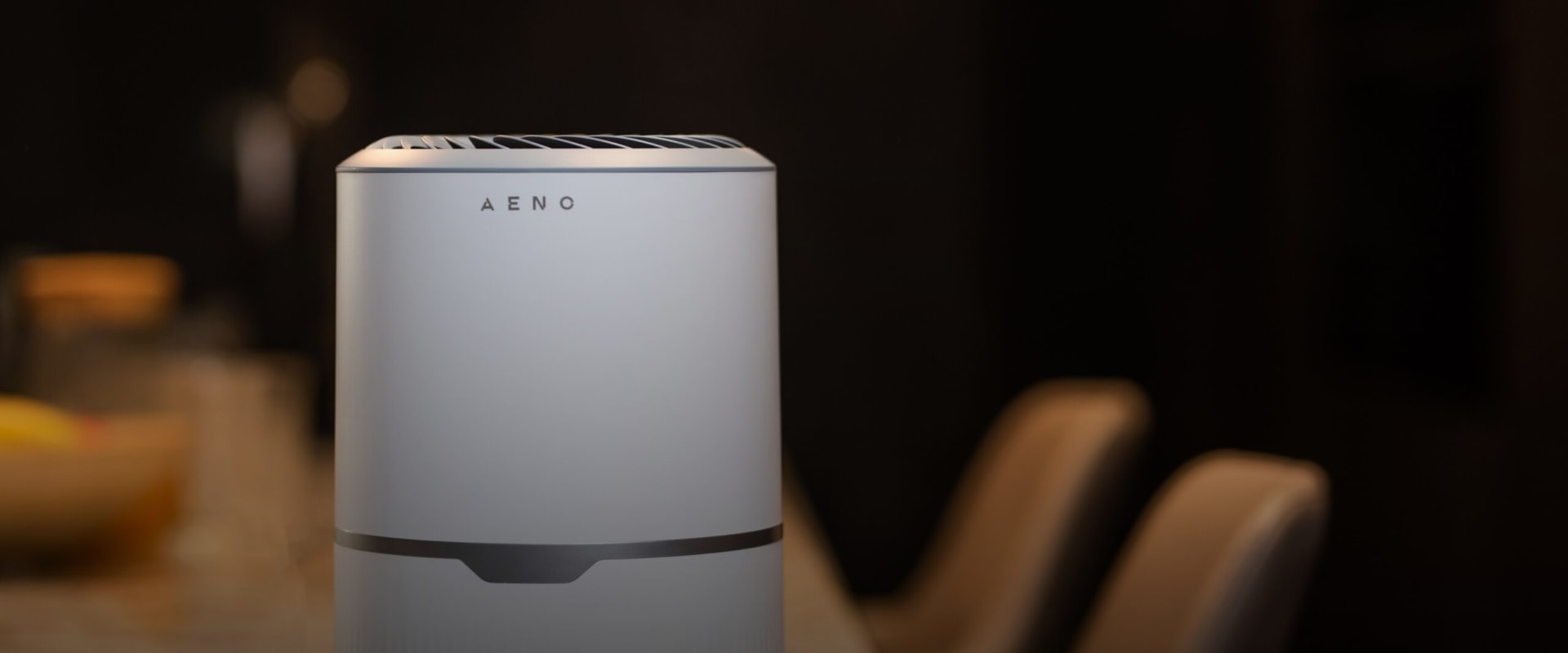
In recent years, the demand for cleaner indoor air has led to the rise of various air purification technologies, among which ionizing air purifiers have gained significant attention. But what exactly is an ionizing air purifier? At its core, this device utilizes a process known as ionization to improve air quality. Unlike traditional air purifiers that rely on filters to trap particles, ionizers work by emitting negatively charged ions into the air. These ions attach themselves to airborne pollutants such as dust, pollen, and smoke, causing them to clump together and fall to the ground or stick to surfaces, effectively reducing their presence in the air we breathe and contributing to broader goals of environmental protection.The technology behind ionizing air purifiers is both fascinating and complex. have gained significant attention. But what exactly is an ionizing air purifier? At its core, this device utilizes a process known as ionization to improve air quality. Unlike traditional air purifiers that rely on filters to trap particles, ionizers work by emitting negatively charged ions into the air. These ions attach themselves to airborne pollutants such as dust, pollen, and smoke, causing them to clump together and fall to the ground or stick to surfaces, effectively reducing their presence in the air we breathe and contributing to broader goals of environmental protection.The technology behind ionizing air purifiers is both fascinating and complex.
When the device is activated, it generates ions through a process called corona discharge. This involves applying a high voltage to a metal electrode, which creates a field that ionizes the surrounding air molecules. As these negatively charged ions disperse throughout the room, they seek out positively charged particles, neutralizing them in the process. This not only helps in reducing allergens but can also diminish odors and other harmful substances present in indoor environments.However, while many consumers are drawn to the promise of cleaner air offered by ionizing purifiers, it is essential to consider the implications of using such devices.
The effectiveness of an air purifier ionizer company often hinges on the specific technology employed and how well it adheres to safety standards. Some models may produce ozone as a byproduct, which can be detrimental to health if present in high concentrations. Therefore, understanding how these devices function and their potential drawbacks is crucial for making an informed decision about your indoor air quality solutions.
How Ionizing Air Purifiers Work
Ionizing air purifiers utilize a unique method of air purification that sets them apart from traditional filtration systems. At the core of their functionality is the ionization process , which involves the emission of negatively charged ions into the air.These ions attach themselves to airborne particles, such as dust, pollen, smoke, and even pathogens like bacteria and viruses.Once these particles become negatively charged, they are attracted to positively charged surfaces, including walls, floors, and even the purifier itself. This process effectively causes the contaminants to clump together and settle out of the air, making it easier for them to be removed from your living space.Unlike conventional air purifiers that rely on physical filters to trap particles, ionizing purifiers do not require a filter to function. Instead, they create a charged environment that facilitates the removal of pollutants through electrostatic attraction. This can lead to a significant reduction in airborne contaminants without the need for frequent filter replacements.However, it is essential to understand that while ionization can be effective in reducing certain types of pollutants, it may also produce some byproducts.
For instance, during the ionization process, ozone can be generated as a secondary product. Ozone is a reactive gas that can have adverse health effects when present in high concentrations. Therefore, it is crucial for consumers to choose ionizing air purifiers that are certified for zero ozone emissions .In summary, ionizing air purifiers operate through a distinct mechanism that involves charging particles in the air to facilitate their removal. This technology offers an alternative to traditional filtration methods but comes with its own set of considerations regarding safety and effectiveness.
Understanding how these devices work is vital for making informed decisions about indoor air quality solutions.
Benefits of Using Ionizing Air Purifiers
Ionizing air purifiers have gained traction in recent years due to their unique approach to improving indoor air quality. These devices utilize the principle of ionization to effectively reduce airborne pollutants, offering several notable benefits.1.Enhanced Removal of Particulate Matter
One of the primary advantages of ionizing air purifiers is their ability to remove a wide range of particulate matter from the air. This includes dust, pollen, pet dander, and smoke particles. By emitting negatively charged ions, these purifiers cause these particles to clump together and become heavier, allowing them to settle out of the air or be captured by filters more efficiently.
2.Reduction of Odors
Ionizing air purifiers can also help in reducing unpleasant odors in your home.
The negative ions produced by these devices interact with odor-causing molecules, neutralizing them and improving the overall freshness of indoor air. This is particularly beneficial in spaces where cooking odors, pet smells, or smoke may linger.
3.Potential Health Benefits
Improving indoor air quality can lead to significant health benefits. Cleaner air can reduce the risk of respiratory issues, allergies, and asthma attacks. For individuals with sensitivities to airborne allergens or pollutants, using an ionizing air purifier may provide relief by minimizing exposure to these irritants.
4.Energy Efficiency
Many ionizing air purifiers are designed to be energy-efficient, making them a cost-effective option for maintaining clean air in your home.
Unlike traditional HEPA filters that require frequent replacements, some ionizers can operate effectively with minimal maintenance, reducing long-term costs.
5.Quiet Operation
Another appealing feature of ionizing air purifiers is their quiet operation. Many models function silently, making them suitable for use in bedrooms or offices without causing distractions. This allows you to enjoy cleaner air without the noise associated with some traditional air purification systems.
6.Versatility and Portability
Ionizing air purifiers come in various sizes and designs, making them versatile for different spaces. Whether you need a compact unit for a small room or a larger model for open areas, there are options available to suit your needs.
Additionally, many models are lightweight and portable, allowing you to move them easily from one room to another as needed.In summary, the benefits of using ionizing air purifiers extend beyond just cleaner air; they encompass improved health outcomes, energy efficiency, and user-friendly features that enhance your living environment. As you consider options from various air purifier ionizer companies, understanding these advantages can help you make an informed decision that aligns with your indoor air quality goals.
Potential Drawbacks of Ionizing Air Purifiers
While ionizing air purifiers can offer certain benefits, it is crucial to consider their potential drawbacks, particularly regarding ozone emissions and associated health risks. Understanding these disadvantages can help consumers make informed choices about their indoor air quality solutions.One of the most significant concerns surrounding ionizing air purifiers is their tendency to produce ozone, a gas that can be harmful to human health. Ozone is a reactive molecule that, when inhaled, can lead to various respiratory issues.The California Air Resources Board has identified many ionizing air purifiers as sources of ozone emissions that exceed safe levels. This is particularly alarming for individuals with pre-existing respiratory conditions, such as asthma or chronic obstructive pulmonary disease (COPD), as exposure to elevated ozone levels can exacerbate these conditions.In addition to respiratory problems, ozone exposure can cause other health issues, including:
- Throat irritation: Breathing in ozone can lead to discomfort and irritation in the throat.
- Coughing and shortness of breath: High levels of ozone can trigger coughing fits and make it difficult to breathe.
- Increased susceptibility to infections: Ozone can weaken the immune system's ability to fight off respiratory infections.
Many models require regular cleaning or replacement of components to maintain efficiency. If not properly maintained, these devices may become less effective over time, leading consumers to question their initial investment.In conclusion, while ionizing air purifiers may seem like an attractive option for improving indoor air quality, it is essential to weigh their potential drawbacks carefully. The risk of ozone emissions and other health concerns should not be overlooked. Consumers are encouraged to explore alternative air purification methods that do not carry these risks, such as HEPA filters combined with activated carbon or other advanced filtration technologies.
Comparing Ionizers to Traditional Air Purifiers
When it comes to choosing an air purification system, understanding the differences between ionizers and traditional air purifiers is crucial.Each type of device has its own set of advantages and disadvantages, making them suitable for different environments and user needs.
How Ionizers Work
Ionizing air purifiers function by emitting negatively charged ions into the air. These ions attach themselves to airborne particles, such as dust, pollen, and smoke, causing them to clump together and fall to the ground or stick to surfaces. This process can effectively reduce the number of pollutants in the air, but it does not physically trap them like traditional filters do.Traditional HEPA Filters
On the other hand, traditional air purifiers equipped with HEPA (High Efficiency Particulate Air) filters work by physically capturing particles as air passes through the filter. HEPA filters are designed to trap at least 99.97% of particles that are 0.3 microns in size, including allergens, dust mites, and pet dander.This makes them highly effective for individuals with allergies or respiratory issues.
Efficiency Comparison
- Ionizers: While they can reduce airborne particles, they may also produce ozone as a byproduct, which can be harmful to health. Additionally, they do not remove particles from the environment; instead, they simply cause them to settle.
- HEPA Filters: These filters provide a more comprehensive solution by actively removing pollutants from the air. They do not produce ozone and are generally considered safer for indoor use.
Suitability for Different Environments
The choice between an ionizer and a traditional air purifier often depends on your specific needs:- Allergy Sufferers: For those with allergies or asthma, a traditional HEPA filter is typically the better option due to its ability to capture a wide range of allergens without producing harmful byproducts.
- General Air Quality Improvement: If you are looking for a device to improve overall air quality in a less sensitive environment, an ionizer may suffice. However, it is essential to choose models that comply with safety standards regarding ozone emissions.
For those prioritizing health and safety, traditional HEPA filter models are often recommended over ionizing options.
Choosing the Right Ionizing Air Purifier
When it comes to selecting an ionizing air purifier, making an informed choice is crucial for ensuring both effectiveness and safety. Here are some key factors to consider:- Ozone Emissions: One of the primary concerns with ionizing air purifiers is their potential to produce ozone, a harmful gas that can exacerbate respiratory issues. Look for models that are certified to have zero ozone emissions. Certifications such as UL 2998 can provide assurance that the device meets strict safety standards.
- Filter Types: While ionizers work by emitting negative ions, combining them with high-quality filters can enhance air purification.
Consider models equipped with HEPA filters, which are effective at capturing small particles, including allergens and dust. Additionally, activated carbon filters can help eliminate odors and volatile organic compounds (VOCs).
- Size and Coverage Area: Ensure that the air purifier is suitable for the size of the room where it will be used. Manufacturers typically provide specifications on the coverage area, so choose a model that can effectively purify the air in your intended space.
- Noise Levels: Some ionizing air purifiers can be noisy, which may be disruptive in quiet environments like bedrooms or offices. Check user reviews or product specifications for information on noise levels to find a model that operates quietly.
- Maintenance Requirements: Regular maintenance is essential for optimal performance.
Look for models that offer easy access to filters for replacement and cleaning. Some devices may also have indicator lights to alert you when it's time to change the filter.
- User Reviews and Ratings: Researching customer feedback can provide valuable insights into the real-world performance of an ionizing air purifier. Look for products with high ratings and positive reviews regarding their effectiveness and reliability.
Frequently Asked Questions about Ionizing Air Purifiers
When considering an ionizing air purifier, many potential users have questions and concerns.Below are some of the most frequently asked questions that can help clarify common misconceptions and provide valuable insights.
What is an ionizing air purifier?
An ionizing air purifier is a device that uses negative ions to remove particles from the air. These purifiers emit negatively charged ions that attach to airborne pollutants, such as dust, pollen, and smoke, causing them to clump together and fall to the ground or be captured by filters. This process differs from traditional air purifiers that rely solely on mechanical filtration.Are ionizing air purifiers safe?
Safety is a significant concern for many consumers. While ionizing air purifiers can effectively reduce certain pollutants, they may also produce ozone as a byproduct.Ozone can be harmful to health, particularly for individuals with respiratory issues. It is crucial to choose models that are certified for zero ozone emissions , ensuring they do not contribute to indoor air pollution.
Do ionizers remove odors?
Ionizing air purifiers can help reduce odors by neutralizing the particles that carry smells. However, they may not be as effective as activated carbon filters specifically designed for odor removal. For optimal results, consider a unit that combines ionization with other filtration methods.Can ionizing air purifiers help with allergies?
Many users report relief from allergy symptoms when using ionizing air purifiers, as these devices can reduce airborne allergens like pollen and pet dander.However, individual results may vary, and it’s essential to assess your specific needs and consult with a healthcare professional if you have severe allergies.
Are there any myths about ionizing air purifiers?
- Myth: Ionizers are the best solution for all air quality issues.
Fact: While they can be effective for certain pollutants, they may not address all types of indoor air quality concerns. - Myth: All ionizers produce harmful ozone.
Fact: Not all models emit ozone; look for those with certifications indicating zero emissions. - Myth: Ionizers require no maintenance.
Fact: Regular cleaning and filter replacement are necessary to maintain efficiency.
Conclusion: Making an Informed Decision on Ionizing Air Purifiers
In summary, the decision to invest in an ionizing air purifier requires careful consideration of both its advantages and disadvantages. As we have explored, these devices can effectively reduce certain airborne pollutants by emitting negative ions that attach to and neutralize harmful particles. This process can lead to improved indoor air quality, which is particularly beneficial for individuals with allergies or respiratory issues.However, it is crucial to acknowledge the potential downsides associated with ionizing air purifiers.The most significant concern is the production of ozone, a harmful gas that can exacerbate respiratory problems and other health issues. Regulatory bodies, such as the California Air Resources Board, have flagged some ionizing purifiers for emitting ozone at levels that may pose health risks. Therefore, when selecting an air purifier, it is essential to prioritize models that are certified for zero ozone emissions.When evaluating options from various air purifier ionizer companies, consider the following:
- Certification: Look for products that comply with UL 867 or UL 2998 standards to ensure safety and effectiveness.
- Filter Type: Choose models equipped with HEPA filters and activated carbon to maximize pollutant removal without harmful byproducts.
- User Reviews: Research customer feedback to gauge real-world performance and satisfaction levels.
- Maintenance Requirements: Understand the upkeep needed for optimal performance, including filter replacements and cleaning schedules.
Remember, the goal is not just to purify the air but to do so in a way that promotes a safe and healthy living space for you and your loved ones.