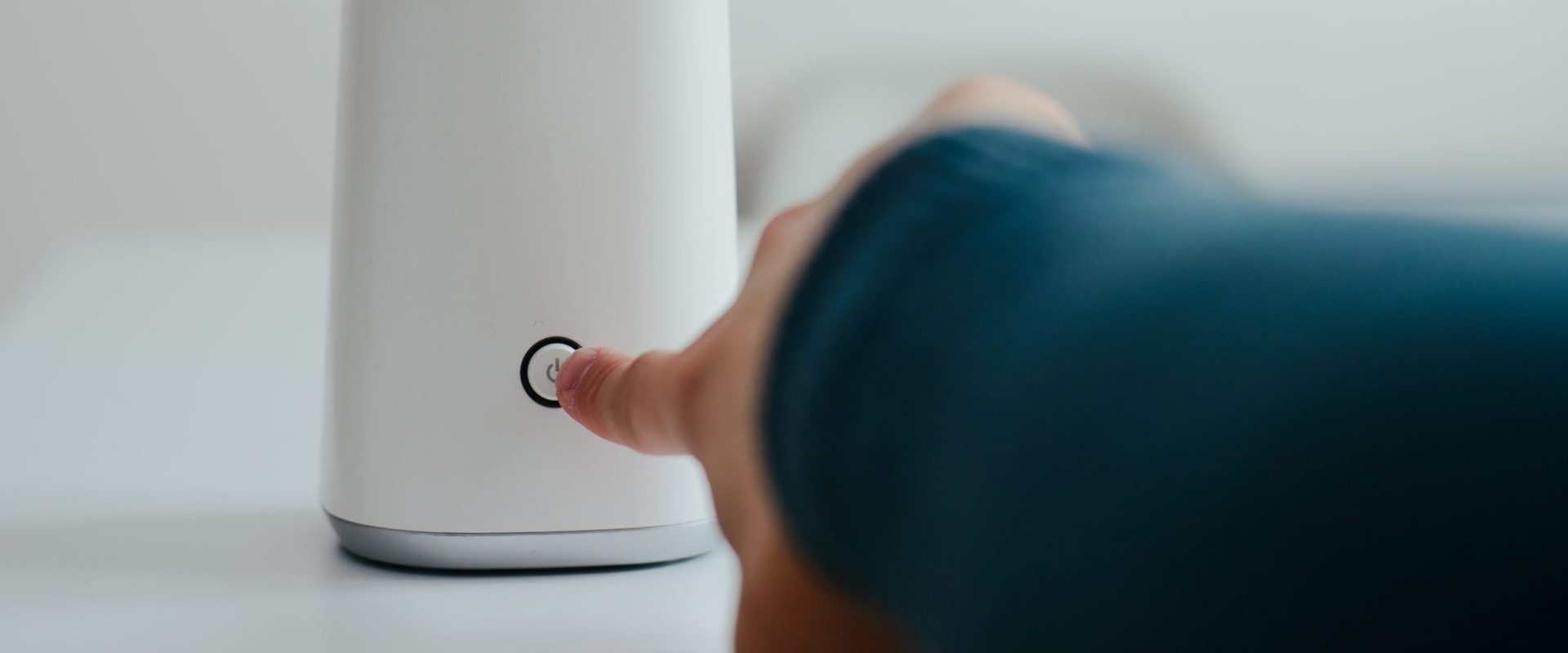
In recent years, the popularity of ionizers has surged, often touted as a revolutionary solution for improving indoor air quality. But what exactly is an ionizer? At its core, an ionizer is a type of air purification device that utilizes electricity to generate negative ions. These ions attach themselves to airborne particles such as dust, pollen, and smoke, causing them to clump together and become heavy enough to fall to the ground. This process, known as ionization, is distinct from traditional air purifiers that typically use filters to capture pollutants.Unlike conventional air purifiers that rely on mechanical filtration systems, ionizers offer a more passive approach to cleaning the air. In recent years, the popularity of ionizers has surged, often touted as a revolutionary solution for improving indoor air quality. But what exactly is an ionizer? At its core, an ionizer is a type of air purification device that utilizes electricity to generate negative ions. These ions attach themselves to airborne particles such as dust, pollen, and smoke, causing them to clump together and become heavy enough to fall to the ground. This process, known as ionization, is distinct from traditional air purifiers that typically use filters to capture pollutants.Unlike conventional air purifiers that rely on mechanical filtration systems, ionizers offer a more passive approach to cleaning the air.
They do not require frequent filter replacements, which can be a significant advantage for users looking for low-maintenance options. However, this difference in functionality raises important questions about their effectiveness and safety. While some users report noticeable improvements in air quality, others express concerns regarding potential health risks associated with ozone production—a byproduct of the ionization process.As you explore the world of air purification, it’s essential to understand how ionizers fit into the broader landscape of air quality solutions. Many air purifier ionizer companies market these devices as environmentally friendly alternatives to traditional purifiers, emphasizing their energy efficiency and chemical-free operation.
Yet, the debate continues over whether the benefits truly outweigh the risks. In this article, we will delve deeper into the mechanics of ionizers, their advantages and disadvantages, and how they compare to other air purification technologies.
The Science Behind Ionization
To understand the effectiveness of ionizers in air purification, it is essential to explore the science behind ionization. At its core, ionization is a process that involves the addition or removal of electrons from atoms or molecules, resulting in charged particles known as ions. In the context of air purification, ionizers primarily generate negative ions .Negative ions
are oxygen atoms that have gained an electron, giving them a negative charge.
These ions are naturally found in environments such as forests, waterfalls, and beaches, where they are produced by natural processes like sunlight, radiation, and moving water. The presence of negative ions is often associated with improved air quality and enhanced well-being.The ionization process in air purifiers typically involves the use of high-voltage electricity to create these negative ions. When the device is activated, it generates a stream of negatively charged particles that are released into the surrounding air. As these negative ions circulate, they attach themselves to positively charged particles such as dust, pollen, smoke, and other pollutants.
This attachment causes the particles to clump together and become heavier, ultimately leading them to settle out of the air or be captured by filters.One of the primary claims made by air purifier ionizer companies is that increasing the concentration of negative ions in indoor environments can lead to various health benefits. Proponents argue that these ions can help reduce allergens and irritants in the air, potentially alleviating symptoms for individuals with respiratory issues or allergies. Additionally, some studies suggest that negative ions may have a positive effect on mood and overall mental well-being.However, while the theory behind ionization appears promising, it is crucial to consider the broader implications of using ionizers as a primary means of air purification. The effectiveness of these devices can vary significantly based on factors such as room size, airflow patterns, and the types of pollutants present.
Furthermore, while negative ions can help reduce certain airborne particles, they do not address all types of indoor air contaminants.In summary, understanding the ionization process and its intended effects on air quality is vital for consumers considering an ionizer for their home. While there are potential benefits associated with negative ions, it is essential to approach these claims with a critical eye and consider complementary methods for maintaining healthy indoor air quality.
Benefits of Using Ionizers
Ionizers have gained traction in the realm of air purification, and for good reason. They offer several potential benefits that can enhance indoor air quality and contribute to a healthier living environment. Below, we explore some of the key advantages associated with using ionizers.- Improved Air Quality: One of the primary benefits of ionizers is their ability to improve overall air quality.
By emitting negative ions, these devices attach to positively charged particles such as dust, pollen, and smoke, causing them to clump together and fall to the ground. This process effectively reduces the number of airborne pollutants, leading to cleaner air.
- Reduction of Allergens: For individuals suffering from allergies, ionizers can be particularly beneficial. By reducing allergens like pet dander, mold spores, and pollen, these devices can help alleviate allergy symptoms. Many users report experiencing fewer respiratory issues and improved comfort in their homes.
- Odor Elimination: Ionizers can also help neutralize unpleasant odors in indoor spaces.
The negative ions produced by these devices interact with odor-causing particles, effectively reducing their presence in the air. This can be especially useful in kitchens or areas where pets reside.
- Energy Efficiency: Compared to traditional air purifiers that rely on filters, ionizers often consume less energy. This makes them a cost-effective option for maintaining good air quality without significantly increasing electricity bills.
- Low Maintenance: Ionizers typically require less maintenance than conventional air purifiers. Since they do not use filters that need regular replacement, users can save time and money on upkeep.
However, it is still essential to clean the device periodically to ensure optimal performance.
Potential Risks Associated with Ionizers
While ionizers are often marketed as effective solutions for improving indoor air quality, it is crucial to examine the potential risks associated with their use. One of the most significant concerns is the production of ozone, a byproduct that can have detrimental effects on health.Ozone Production
Ionizers work by emitting negative ions that attach to airborne particles, causing them to clump together and fall to the ground.
However, this process can also generate ozone, a gas that is known to be harmful when inhaled in elevated concentrations. The Environmental Protection Agency (EPA) has established guidelines indicating that indoor ozone levels should not exceed 0.05 parts per million (ppm). Alarmingly, some ionizers have been found to produce ozone levels significantly above this threshold, raising serious health concerns.
Health Concerns with Ionizers
Exposure to high levels of ozone can lead to a variety of respiratory issues, including:
- Irritation of the lungs: Ozone can cause inflammation and irritation in the airways, leading to coughing and shortness of breath.
- Exacerbation of pre-existing conditions: Individuals with asthma or chronic obstructive pulmonary disease (COPD) may experience worsened symptoms when exposed to ozone.
- Decreased lung function: Long-term exposure to elevated ozone levels can impair lung function and overall respiratory health.
When these microorganisms are released into the air, they can contribute to poor indoor air quality and pose additional health risks.Moreover, ionizers may not effectively remove all types of pollutants from the air. While they can capture larger particles like dust and pollen, they often fall short in eliminating volatile organic compounds (VOCs) and gases that can also compromise indoor air quality.In summary, while ionizers may offer some benefits in terms of particle removal, the associated risks—particularly concerning ozone production and potential health implications—should not be overlooked. It is essential for consumers to weigh these factors carefully before deciding whether to incorporate an ionizer into their home environment.
Comparing Ionizers to Traditional Air Purifiers
When it comes to improving indoor air quality, many consumers find themselves weighing the options between ionizers and traditional air purifiers. Understanding the differences between these two types of devices is crucial for making an informed decision that best suits your needs.How Ionizers Work
Ionizers function by emitting negative ions into the air.These ions attach themselves to airborne particles such as dust, pollen, and smoke, causing them to clump together and fall to the ground. While this process can reduce the number of particles in the air, it does not necessarily eliminate them from your living space. Instead, it simply shifts them from the air to surfaces where they can accumulate.
How Traditional Air Purifiers Work
In contrast, traditional air purifiers typically use a combination of filters—such as HEPA (High-Efficiency Particulate Air) filters—to physically trap and remove pollutants from the air. HEPA filters are designed to capture at least 99.97% of particles that are 0.3 microns in size, including allergens like pet dander and mold spores.Some models also incorporate activated carbon filters to absorb odors and volatile organic compounds (VOCs).
Effectiveness in Removing Pollutants
When comparing ionizers to traditional air purifiers, effectiveness is a key factor:- Particle Removal: Traditional air purifiers excel at removing a wide range of airborne particles due to their filtration systems. Ionizers may reduce particle levels but do not guarantee complete removal.
- Ozone Production: Many ionizers produce ozone as a byproduct, which can be harmful to health. Traditional air purifiers do not generate ozone, making them a safer choice for indoor environments.
- Maintenance: Ionizers require less frequent filter changes but need regular cleaning to prevent bacteria buildup on charged surfaces. Traditional purifiers often have replaceable filters that need changing every few months, depending on usage.
Which is Better for Air Quality?
The answer largely depends on your specific needs and concerns:- If you are primarily concerned about allergens and particulate matter, a traditional air purifier with a HEPA filter is likely the better option.
- If you prefer a device that operates quietly and requires less maintenance, an ionizer might seem appealing; however, be cautious of its potential ozone emissions.
Maintenance and Care for Ionizers
To ensure that your ionizer operates effectively and safely, regular maintenance is crucial.Neglecting this aspect can lead to decreased performance and potential health risks. Here are some essential tips for maintaining your ionizer:
Regular Cleaning
Cleaning your ionizer is vital to prevent the buildup of dust, dirt, and other contaminants. Follow these steps for effective cleaning:- Turn Off and Unplug: Always ensure the device is turned off and unplugged before cleaning to avoid any electrical hazards.
- Use a Soft Cloth: Wipe the exterior with a soft, damp cloth to remove dust. Avoid using harsh chemicals that could damage the surface.
- Clean the Ionizing Plates: Most ionizers have plates that attract particles.
Remove these plates according to the manufacturer’s instructions and clean them with warm, soapy water. Rinse thoroughly and allow them to dry completely before reinserting.
- Check Filters: If your ionizer has filters, inspect them regularly. Replace or clean them as recommended by the manufacturer to maintain optimal air purification.
Optimal Placement
The placement of your ionizer can significantly affect its performance. Here are some guidelines:- Avoid Corners: Position the ionizer in an open area rather than in a corner to allow for better air circulation.
- Distance from Walls: Keep it at least a few feet away from walls or large furniture to maximize airflow.
- Avoid Direct Sunlight: Placing the device in direct sunlight can cause overheating and affect its efficiency.
Monitoring Ozone Levels
Since some ionizers can produce ozone, it’s essential to monitor the levels in your home.Consider investing in an ozone meter to ensure that levels remain within safe limits. If you notice elevated ozone levels, reduce usage or consider alternative air purification methods.
Follow Manufacturer Guidelines
Each ionizer model may have specific maintenance requirements. Always refer to the user manual for detailed instructions on cleaning, filter replacement, and general care. Adhering to these guidelines will help prolong the life of your device and ensure it operates safely.By following these maintenance tips, you can enhance the performance of your ionizer while ensuring a healthier indoor environment for you and your family.Alternative Solutions for Indoor Air Quality Improvement
Improving indoor air quality is essential for maintaining a healthy living environment, especially for those concerned about the potential risks associated with ionizers.Fortunately, there are numerous natural air quality solutions that can effectively enhance the air we breathe without the drawbacks of ionization technology.Here are some effective alternatives to consider:
- Ventilation: One of the simplest and most effective ways to improve indoor air quality is through proper ventilation. Opening windows and doors allows fresh air to circulate, diluting indoor pollutants. Consider using exhaust fans in kitchens and bathrooms to remove moisture and odors.
- Houseplants: Certain houseplants can naturally purify the air by absorbing toxins and releasing oxygen. Plants such as spider plants, peace lilies, and snake plants are known for their air-purifying properties.
Incorporating these into your home not only enhances aesthetics but also contributes to cleaner air.
- Regular Cleaning: Keeping your home clean is crucial for reducing allergens and pollutants. Regularly dusting surfaces, vacuuming carpets with a HEPA filter, and washing bedding can significantly decrease the presence of dust mites, pet dander, and other irritants.
- Air Purifiers: Investing in a high-quality air purifier that uses HEPA filters can effectively capture airborne particles without producing ozone. Look for models that also address specific concerns, such as VOCs or odors.
- Humidity Control: Maintaining optimal humidity levels (between 30-50%) can help prevent mold growth and reduce dust mites. Using dehumidifiers in damp areas like basements or bathrooms can be beneficial.
- Aromatherapy: Essential oils can not only provide pleasant scents but also have antimicrobial properties.
Diffusing oils like tea tree or eucalyptus can help purify the air while creating a calming atmosphere.
Frequently Asked Questions About Ionizers
As the popularity of ionizers continues to grow, so do the questions surrounding their effectiveness and safety. Here, we address some of the most frequently asked questions about ionizers to help clarify common misconceptions and provide valuable insights.What is the difference between an air purifier and an ionizer?
An air purifier typically uses filters to capture airborne particles, such as dust, pollen, and pet dander. In contrast, an ionizer releases negative ions into the air, which attach to positively charged particles, causing them to clump together and fall to the ground.While both devices aim to improve indoor air quality, their methods of operation differ significantly.
Are ionizers safe to use?
The safety of ionizers can be a contentious topic. While many users report improved air quality, concerns arise from the ozone produced as a byproduct of ionization. Ozone can irritate the respiratory system and exacerbate existing health conditions. It is crucial to choose an ionizer that complies with safety standards and produces minimal ozone.Do ionizers remove odors?
Ionizers can help reduce odors by neutralizing particles that carry smells.However, they may not be as effective as traditional air purifiers equipped with activated carbon filters specifically designed to absorb odors. For those dealing with persistent smells, a combination of both technologies may yield better results.
Can I use an ionizer in a room with pets?
Yes, you can use an ionizer in a pet-friendly environment. Ionizers can help reduce pet dander and other allergens in the air. However, it’s essential to monitor ozone levels and ensure proper ventilation in the room to maintain a safe environment for your pets.What should I look for when choosing an air purifier ionizer company?
- Certification: Look for products certified by reputable organizations that test for ozone emissions.
- Customer Reviews: Research user experiences to gauge effectiveness and reliability.
- Warranty: A good warranty indicates confidence in product quality.
- Maintenance Requirements: Consider how easy it is to maintain the device for optimal performance.
Understanding their functionality and limitations can help consumers make informed decisions when considering products from an air purifier ionizer company.
Conclusion: Making Informed Choices About Air Purification
In conclusion, navigating the world of air purification requires a nuanced understanding of the various technologies available, particularly when it comes to ionizers. While these devices are often marketed as effective solutions for improving indoor air quality, it is crucial to weigh both their potential benefits and inherent risks.Understanding the Benefits
- Ionizers can help reduce airborne particles such as dust, pollen, and smoke by charging them and causing them to clump together, making them heavier and allowing them to settle out of the air.
- They are often touted as energy-efficient alternatives to traditional air purifiers, which can be appealing for those looking to minimize their environmental footprint.
- Some users report improved air quality and reduced allergy symptoms when using ionizers, although individual experiences may vary.
Recognizing the Risks
- The production of ozone as a byproduct is a significant concern. Ozone can lead to respiratory issues and other health problems, especially for vulnerable populations such as children and those with pre-existing conditions.
- Ionizers may not effectively remove all types of pollutants, particularly volatile organic compounds (VOCs) and gases that can contribute to poor indoor air quality.
- Improper maintenance of ionizers can lead to the growth of bacteria and mold, which can further compromise air quality.
Alternatively, exploring other air purification options—such as HEPA filters or natural ventilation—may provide safer and more effective solutions for enhancing indoor air quality.By understanding the complexities surrounding ionizers and other air purification technologies, you empower yourself to create a healthier living environment. Always prioritize your health and well-being when selecting an air purification method that best suits your lifestyle.