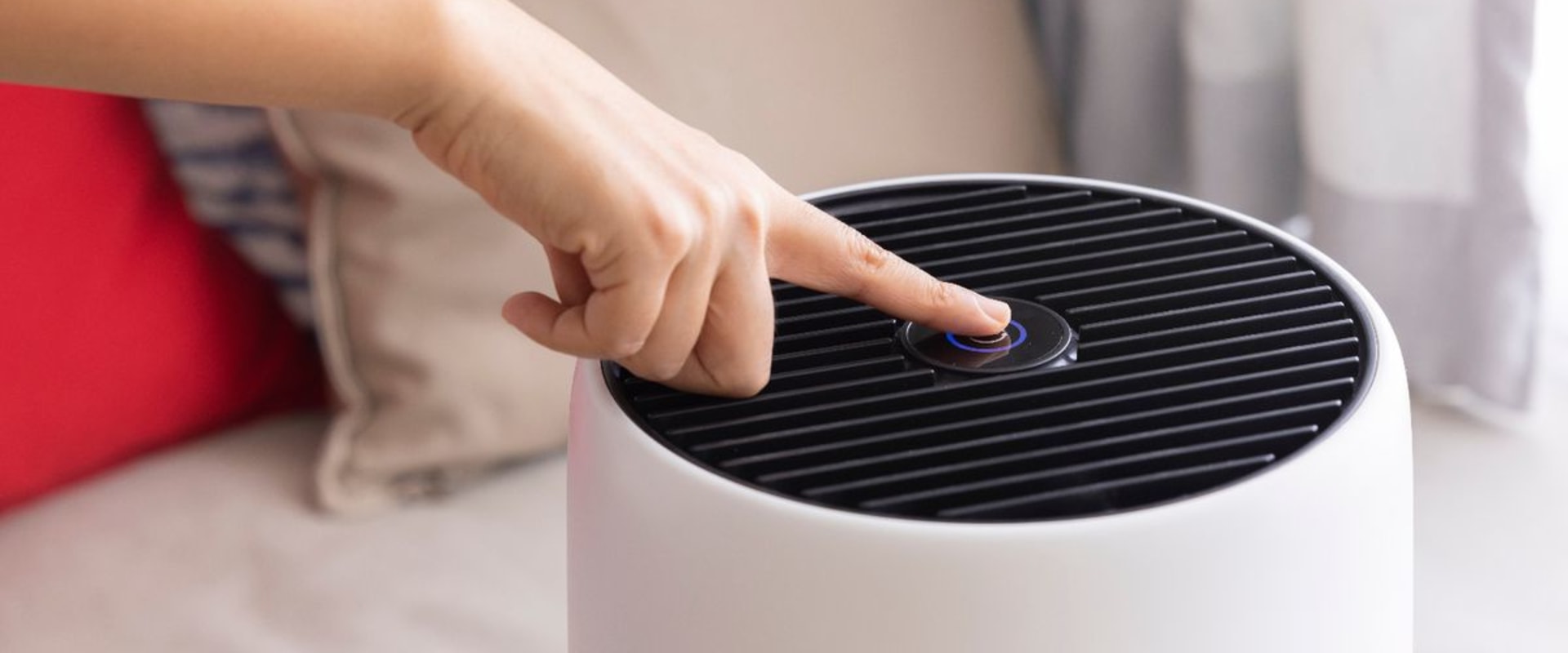
Indoor air quality (IAQ) is a critical aspect of our living environments that often goes unnoticed. It refers to the condition of the air within buildings and structures, particularly as it relates to the health and comfort of the occupants. Poor indoor air quality can lead to a range of health issues, from minor irritations like headaches and fatigue to more severe respiratory problems and allergies. Understanding the significance of IAQ is essential for anyone looking to create a safe and healthy home or workplace.The importance of maintaining good air quality cannot be overstated.
According to the Environmental Protection Agency (EPA), indoor air can be two to five times more polluted than outdoor air, primarily due to various pollutants that accumulate in enclosed spaces. Common indoor air pollutants include dust mites, pet dander, mold spores, volatile organic compounds (VOCs) from household products, and even carbon monoxide from appliances. These contaminants can significantly impact our well-being, making it crucial to address them effectively.Several factors influence indoor air quality, including ventilation, humidity levels, and the presence of indoor plants or furnishings that may emit harmful substances. For instance, inadequate ventilation can trap pollutants inside, while high humidity levels can promote mold growth and dust mite proliferation.
Additionally, seasonal changes can affect IAQ; during winter months, for example, homes are often sealed tightly against the cold, which can exacerbate indoor pollution levels.To combat these issues and enhance indoor air quality, many homeowners are turning to advanced solutions such as ionizers and dehumidifiers. These devices not only help in reducing pollutants but also create a more comfortable living environment. By understanding the dynamics of indoor air quality and the factors that affect it, individuals can take proactive steps toward improving their health and overall quality of life.
What is an Ionizer?
An ionizer is a device designed to enhance indoor air quality by generating negative ions. These ions are charged particles that attach themselves to airborne pollutants, such as dust, pollen, smoke, and even bacteria.By doing so, ionizers help to purify the air we breathe, making it cleaner and healthier.So, how do ionizers work? The process begins when the ionizer releases negative ions into the atmosphere. These ions are naturally occurring in our environment, often found in places like forests and waterfalls. When introduced into indoor spaces, they seek out positively charged particles, which are typically pollutants. As the negative ions collide with these particles, they neutralize them, causing them to clump together and become heavier.
This increased weight makes it easier for these particles to settle out of the air or be captured by filters in air purifiers.
Benefits of Using an Ionizer
- Improved Air Quality: By removing harmful particles from the air, ionizers significantly enhance indoor air quality.
- Reduction of Allergens: Ionizers can help reduce allergens such as pollen and pet dander, making them beneficial for allergy sufferers.
- Odor Elimination: The negative ions produced by ionizers can neutralize unpleasant odors from cooking, pets, and smoke.
- Enhanced Respiratory Health: Cleaner air can lead to better respiratory health, reducing symptoms for individuals with asthma or other respiratory conditions.
- Low Maintenance: Unlike traditional air purifiers that require regular filter changes, many ionizers have minimal maintenance needs.
The Role of Dehumidifiers in Air Quality
A dehumidifier is an essential appliance designed to reduce and maintain the level of humidity in the air. By extracting excess moisture, dehumidifiers play a crucial role in enhancing indoor air quality, making living spaces more comfortable and healthier.Understanding how a dehumidifier works is fundamental to appreciating its benefits.These devices operate by drawing in humid air, passing it over cold coils that condense moisture into water droplets, which are then collected in a reservoir or drained away. The now drier air is reheated and released back into the room, effectively lowering the humidity levels.
Benefits of Dehumidifiers
- Prevention of Mold Growth: High humidity levels create an ideal environment for mold and mildew to thrive. By keeping humidity in check, dehumidifiers significantly reduce the risk of mold growth on walls, ceilings, and other surfaces.
- Reduction of Allergens: Dust mites, pet dander, and other allergens flourish in humid conditions. A dehumidifier helps minimize these irritants, leading to improved respiratory health for occupants.
- Odor Control: Excess moisture can lead to musty odors that permeate living spaces.
By controlling humidity, dehumidifiers help eliminate these unpleasant smells, contributing to a fresher indoor environment.
- Enhanced Comfort: High humidity can make temperatures feel warmer than they are, leading to discomfort. Dehumidifiers create a more pleasant atmosphere by maintaining optimal humidity levels.
- Protection of Belongings: Excess moisture can damage furniture, electronics, and other belongings. By reducing humidity, dehumidifiers help protect your investments from water damage and deterioration.
Investing in a quality dehumidifier can lead to significant improvements in your indoor air quality and overall well-being.
The Benefits of Combining Ionizers and Dehumidifiers
Combining an ionizer and a dehumidifier can significantly enhance indoor air quality, creating a healthier living environment. Each device serves a unique purpose, and when used together, they complement each other’s strengths, leading to improved air quality solutions.1.Synergistic Effects
The primary advantage of using an ionizer and dehumidifier combo lies in their synergistic effects. A dehumidifier effectively reduces humidity levels, which is crucial for preventing mold growth and eliminating musty odors. On the other hand, an ionizer works by releasing negative ions into the air, which attach to airborne particles like dust, pollen, and smoke, causing them to clump together and fall to the ground or be captured on collector plates.When these devices are used in tandem, the dehumidifier creates an environment that is less conducive to mold and allergens, while the ionizer actively cleans the air of pollutants.
This dual action not only improves air quality but also enhances overall comfort in your home.
2.Comprehensive Air Purification
While a dehumidifier excels at moisture control, it does not filter out airborne contaminants. Conversely, an ionizer can purify the air but does not address humidity levels. By integrating both devices, you achieve comprehensive air purification that tackles both moisture and pollutants effectively.
3.Health Benefits
The health benefits of using both an ionizer and a dehumidifier are substantial. Lower humidity levels can reduce the risk of respiratory issues caused by mold and dust mites.
Meanwhile, the negative ions produced by the ionizer can help alleviate symptoms of allergies and asthma by reducing airborne irritants.
4.Enhanced Comfort
In addition to health benefits, combining these devices can lead to enhanced comfort in your living space. A well-regulated humidity level prevents discomfort associated with dampness or dryness in the air. The cleaner air provided by the ionizer contributes to a fresher atmosphere, making your home more inviting.
5.Energy Efficiency
Using an ionizer and dehumidifier together can also be more energy-efficient than relying on multiple standalone units. Many modern devices are designed to work harmoniously, allowing for optimized energy use while maintaining effective air quality management.In conclusion, the combination of an ionizer and a dehumidifier offers a powerful solution for improving indoor air quality.
By leveraging their unique capabilities, you can create a healthier, more comfortable living environment for you and your family.
Choosing the Right Ionizer and Dehumidifier for Your Home
When it comes to enhancing your indoor air quality, selecting the right ionizer and dehumidifier is crucial. With numerous options available, understanding your specific needs and the features of each device can help you make an informed decision.Assessing Room Size
The first step in choosing the best ionizer and dehumidifier for your home is to assess the size of the room where you plan to use these devices. Most manufacturers provide a recommended coverage area for their products. For instance, if you have a large living room, look for an ionizer that can effectively purify air in spaces over 500 square feet.Similarly, select a dehumidifier that can handle the moisture levels in larger areas.
Identifying Specific Needs
Consider any specific air quality issues you may have. If you or your family members suffer from allergies or asthma, look for an ionizer that has been proven to reduce allergens like pollen and pet dander. For dehumidifiers, models with built-in air filters can help remove dust and other particles while controlling humidity levels.Key Features to Look For
- Ionizer Features: Look for models with adjustable ion output levels, as this allows you to customize the purification process based on your needs.
- Dehumidifier Capacity: Choose a unit with a capacity that matches your humidity levels. A unit rated for 30 pints per day is suitable for smaller spaces, while larger areas may require units rated for 50 pints or more.
- Noise Levels: Consider the noise level of both devices.
Some ionizers operate silently, while others may produce a noticeable hum. Dehumidifiers can also vary in noise output, so check user reviews for insights.
- Energy Efficiency: Look for energy-efficient models that are certified by Energy Star. These devices not only save on electricity bills but also contribute to a more sustainable environment.
Budget Considerations
Your budget will also play a significant role in your decision-making process. While it might be tempting to opt for the cheapest option available, investing in a high-quality ionizer and dehumidifier can lead to better performance and longevity.Research reputable brands known for their reliability and customer service.In conclusion, by carefully evaluating room size, specific needs, essential features, and budget constraints, you can confidently choose the best ionizer and dehumidifier for your home. This thoughtful approach will ensure that you create a healthier indoor environment for you and your family.
Common Misconceptions About Ionizers and Dehumidifiers
When it comes to improving indoor air quality, ionizers and dehumidifiers are often misunderstood. Many people have misconceptions about how these devices work and their effectiveness. Here, we address some of the most common myths and questions surrounding ionizers and dehumidifiers.Myth 1: Ionizers Are Just Air Fresheners
One prevalent misconception is that ionizers merely mask odors like air fresheners.In reality, ionizers actively purify the air by releasing negative ions that attach to airborne particles, such as dust, pollen, and smoke. This process helps to remove these contaminants from the air, making it cleaner and healthier to breathe.
Myth 2: Dehumidifiers Are Only for Humid Climates
While it's true that dehumidifiers are particularly beneficial in humid environments, they can also be advantageous in drier climates. Excess moisture can lead to mold growth and dust mites, which can trigger allergies and respiratory issues. Using a dehumidifier can help maintain optimal humidity levels, regardless of your location.Myth 3: Ionizers Produce Ozone
Another common concern is that ionizers produce harmful ozone.While some older models may emit ozone as a byproduct, many modern ionizers are designed to minimize or eliminate ozone production. It's essential to choose a reputable air purifier ionizer company that prioritizes safety and efficiency in their products.
Common Questions About Air Purifiers
- Q: Can I use an ionizer and a dehumidifier together?
A: Yes! Using both devices simultaneously can enhance indoor air quality by reducing humidity while also purifying the air. - Q: How often should I clean my ionizer?
A: Regular maintenance is crucial for optimal performance. Check the manufacturer's guidelines, but generally, cleaning every few months is recommended. - Q: Do dehumidifiers require a lot of energy?
A: Energy consumption varies by model, but many modern dehumidifiers are energy-efficient and designed to minimize electricity usage.
Real-Life Applications: Case Studies of Improved Air Quality
In recent years, numerous households and businesses have reported significant improvements in their indoor air quality by utilizing both ionizers and dehumidifiers.Here are some compelling case studies that illustrate the effectiveness of this combination.
Case Study 1: A Family Home in Florida
The Johnson family, residing in a humid region of Florida, struggled with persistent mold growth and musty odors in their home. After conducting research, they decided to invest in a combined ionizer and dehumidifier unit. Within weeks, they noticed a remarkable difference. The humidity levels dropped significantly, reducing the chances of mold development.Additionally, the ionizer effectively eliminated airborne allergens such as dust and pollen, leading to fewer allergy symptoms for family members. The Johnsons reported feeling healthier and more comfortable in their living space.
Case Study 2: An Office Space in New York City
A small marketing agency in New York City faced challenges with indoor air quality due to high traffic and limited ventilation. Employees often complained of fatigue and respiratory issues. The management decided to install an ionizer alongside a dehumidifier in the office.After just one month of use, employee productivity increased, and complaints about air quality diminished significantly. The combination of reduced humidity and cleaner air contributed to a more pleasant working environment, fostering creativity and collaboration among team members.
Case Study 3: A Restaurant in California
A popular restaurant in California experienced issues with odors from cooking and high humidity levels that affected customer comfort. The owner implemented a dual system of an ionizer and dehumidifier to tackle these problems. The results were impressive; not only did the air quality improve, but customers also noted a fresher atmosphere.The restaurant saw an increase in repeat business as patrons enjoyed their meals without being distracted by unpleasant smells or discomfort from humidity.These real-life examples demonstrate how combining an ionizer with a dehumidifier can lead to substantial improvements in indoor air quality across various settings. Whether it’s a family home, an office space, or a commercial establishment, the synergy between these two devices can create healthier environments for everyone involved.
Conclusion: The Future of Indoor Air Quality Solutions
As we look towards the future of indoor air quality solutions, it becomes increasingly clear that the combination of an ionizer and a dehumidifier represents a significant advancement in creating healthier living environments. The importance of maintaining optimal air quality cannot be overstated, especially in a world where pollution and allergens are prevalent. By integrating these two powerful devices, homeowners can effectively tackle a wide range of air quality issues.The synergy between an ionizer and a dehumidifier is particularly noteworthy.While the dehumidifier works diligently to reduce moisture levels, preventing mold growth and musty odors, the ionizer complements this function by actively purifying the air. It does so by releasing negative ions that bind to airborne particles, such as dust, pollen, and bacteria, effectively removing them from circulation. This dual-action approach not only enhances comfort but also promotes better health for all occupants.Moreover, advancements in technology have led to the development of hybrid devices that combine both functionalities into one unit. These innovative solutions simplify the process of improving indoor air quality, making it more accessible for everyone.
As consumers become more aware of the health implications associated with poor air quality, the demand for such integrated systems is likely to grow.In conclusion, investing in an air purifier ionizer company that offers both ionization and dehumidification capabilities can be a game-changer for your home. Not only do these devices work together to create a cleaner and healthier environment, but they also provide peace of mind knowing that you are taking proactive steps to safeguard your family's well-being. As we continue to prioritize indoor air quality, embracing these technologies will undoubtedly lead to a brighter and healthier future.