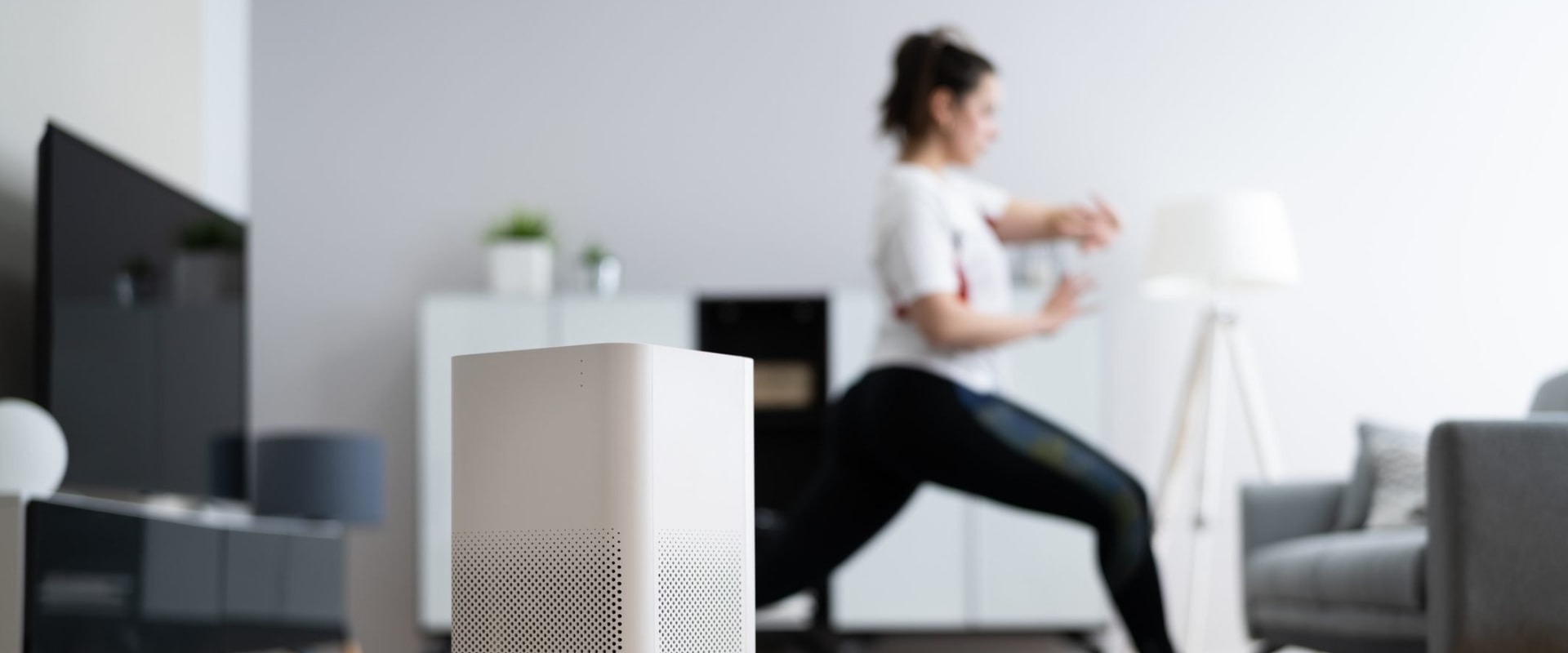
In today's world, where urbanization and industrialization have significantly impacted our environment, the quality of indoor air has become a pressing concern for many households and businesses. Air purifiers and ionizers are two popular technologies designed to combat indoor air pollution, each with its unique mechanisms and benefits. Understanding how these devices work is essential for anyone looking to enhance their indoor air quality and create a healthier living or working environment.Air purifiers are devices that filter out harmful particles from the air, such as dust, pollen, pet dander, and smoke. They typically use various filtration methods, including HEPA filters, activated carbon filters, and UV light technology, to capture and neutralize pollutants.
By continuously circulating air through these filters, air purifiers can significantly reduce the concentration of allergens and irritants in indoor spaces, making them an excellent choice for individuals with respiratory issues or allergies.On the other hand, ionizers operate on a different principle. These devices release negatively charged ions into the air, which attach themselves to positively charged particles like dust and allergens. This process causes the particles to clump together and either fall to the ground or be attracted to surfaces in the room. While ionizers can effectively reduce airborne pollutants, they may also produce ozone as a byproduct, raising concerns about their safety and efficacy.As we delve deeper into the pros and cons of using ionizers for air purification, it is crucial to weigh their benefits against potential drawbacks.
Understanding these nuances will empower consumers to make informed decisions when selecting an air purifier ionizer company that aligns with their specific needs and preferences.
How Ionizers Work
Ionizers are fascinating devices that play a significant role in modern air purification technology. They operate on the principle of ionization, a process that involves the generation of negatively charged ions. These ions are crucial for attracting and neutralizing airborne pollutants, including dust, pollen, smoke, and even some bacteria and viruses.The ionization process begins when the ionizer uses a high-voltage electrical charge to convert air molecules into negative ions. This is typically achieved through a method known as corona discharge, where the electrical charge creates a field that strips electrons from air molecules.As a result, these molecules become negatively charged ions.Once generated, these negative ions are released into the air. They seek out positively charged particles, which are often pollutants or allergens. When a negative ion encounters a positive particle, they bond together, forming larger particles that are heavier than the surrounding air. This increased weight causes them to fall to the ground or adhere to surfaces rather than remaining suspended in the air.One of the key benefits of this process is that it can significantly reduce the concentration of airborne contaminants.
For instance, studies have shown that ionizers can effectively decrease levels of particulate matter in indoor environments, leading to improved air quality. Additionally, by neutralizing allergens and irritants, ionizers can contribute to better respiratory health for individuals sensitive to such pollutants.However, it is essential to understand that while ionizers can be effective in reducing certain types of pollutants, they may not eliminate all contaminants from the air. For example, they are less effective against gases and odors compared to other filtration methods like HEPA filters or activated carbon filters. Therefore, many users find that combining an ionizer with other air purification technologies can yield optimal results.In summary, the operation of ionizers hinges on their ability to generate negative ions that attract and neutralize airborne pollutants. For instance, studies have shown that ionizers can effectively decrease levels of particulate matter in indoor environments, leading to improved air quality. Additionally, by neutralizing allergens and irritants, ionizers can contribute to better respiratory health for individuals sensitive to such pollutants.However, it is essential to understand that while ionizers can be effective in reducing certain types of pollutants, they may not eliminate all contaminants from the air. For example, they are less effective against gases and odors compared to other filtration methods like HEPA filters or activated carbon filters. Therefore, many users find that combining an ionizer with other air purification technologies can yield optimal results.In summary, the operation of ionizers hinges on their ability to generate negative ions that attract and neutralize airborne pollutants.
Understanding this mechanism is vital for evaluating their effectiveness as part of an overall strategy for improving indoor air quality.
Benefits of Using Ionizers for Air Purification
Using ionizers for air purification offers a range of significant benefits that can greatly enhance indoor air quality and overall well-being. Below are some of the key advantages associated with these devices:- Improved Respiratory Health: One of the most notable benefits of ionizers is their ability to improve respiratory health. By emitting negatively charged ions, these devices attract and neutralize positively charged particles such as dust, pollen, and smoke. This process helps to reduce the presence of allergens in the air, making it easier for individuals with asthma or allergies to breathe comfortably.
- Reduction of Allergens: Ionizers are particularly effective at reducing common indoor allergens.
They can help eliminate pet dander, mold spores, and other irritants that may trigger allergic reactions. By keeping these particles suspended in the air to a minimum, ionizers contribute to a healthier living environment.
- Odor Elimination: Another advantage of using an ionizer is its ability to neutralize unpleasant odors. Whether it’s cooking smells, pet odors, or smoke, ionizers can help break down odor-causing molecules, leaving your indoor space smelling fresher and cleaner.
- Enhanced Indoor Air Quality: Ionizers work effectively alongside other air purification technologies, such as HEPA filters and activated carbon filters. When used in conjunction with these systems, ionizers can significantly enhance overall indoor air quality by targeting a broader range of pollutants.
- Convenience and Low Maintenance: Many ionizer models are designed for ease of use and require minimal maintenance.
Unlike traditional filters that need regular replacement, ionizers often have plates that can be easily cleaned and reused, making them a cost-effective option in the long run.
Potential Drawbacks of Ionizers
While ionizers can offer significant benefits for air purification, it is crucial to consider their potential drawbacks to make an informed decision. One of the most pressing concerns associated with ionizers is ozone emission. Ionizers work by releasing negatively charged ions into the air, which can attach to positively charged particles, such as dust and allergens, causing them to clump together and fall to the ground.However, this process can also lead to the production of ozone, a gas that can be harmful to human health.Ozone is known for its ability to irritate the respiratory system, leading to symptoms such as coughing, throat irritation, and shortness of breath. For individuals with pre-existing respiratory conditions like asthma or chronic obstructive pulmonary disease (COPD), exposure to elevated ozone levels can exacerbate their symptoms and pose serious health risks. The Environmental Protection Agency (EPA) has set strict guidelines regarding acceptable ozone levels in indoor environments, and some ionizers may inadvertently exceed these limits.Another concern is the effectiveness of ionizers in removing certain types of pollutants. While they are adept at capturing larger particles, such as dust and pollen, they may not be as effective against smaller particles like volatile organic compounds (VOCs) or certain bacteria and viruses.
This limitation means that relying solely on an ionizer for air purification may not provide comprehensive protection against all indoor air pollutants.Additionally, maintenance can be a factor when considering ionizers. Many models require regular cleaning or replacement of components to ensure optimal performance. Neglecting this maintenance can lead to decreased efficiency and potentially allow harmful particles to remain in the air.Lastly, there are safety concerns regarding the use of ionizers in homes with pets or small children. The presence of ozone and other byproducts from ionization can pose risks in these environments.
It is essential for users to monitor ozone levels and ensure proper ventilation when operating an ionizer.In conclusion, while ionizers can enhance indoor air quality, it is vital to weigh these potential drawbacks against their benefits. Understanding ozone emissions, effectiveness against various pollutants, maintenance requirements, and safety considerations will help consumers make informed choices when selecting an air purification solution.
Comparing Ionizers with Other Air Purification Technologies
When it comes to air purification, understanding the differences between various technologies is crucial for making an informed decision. Among the most popular options are ionizers, HEPA filters, and activated carbon filters. Each of these technologies has its unique strengths and weaknesses, making them suitable for different environments and needs.Ionizers vs.
HEPA FiltersHEPA filters (High-Efficiency Particulate Air filters) are renowned for their ability to capture at least 99.97% of particles that are 0.3 microns in diameter. This includes dust, pollen, pet dander, and even some bacteria and viruses. In contrast, ionizers work by emitting negatively charged ions that attach to positively charged particles in the air, causing them to clump together and fall to the ground or stick to surfaces.While HEPA filters excel in removing particulate matter from the air, they do not eliminate odors or gases effectively. This is where ionizers can complement HEPA technology; they can help reduce odors by neutralizing airborne particles that carry unpleasant smells.
However, it’s important to note that ionizers may produce ozone as a byproduct, which can be harmful in high concentrations.
Activated Carbon Filters
Activated carbon filters are another popular air purification technology, particularly effective at adsorbing volatile organic compounds (VOCs), odors, and other gaseous pollutants. Unlike ionizers and HEPA filters, activated carbon does not rely on physical filtration but rather on chemical adsorption. This means that while they are excellent for removing smells and gases, they do not capture particulate matter as effectively as HEPA filters.In many cases, a combination of these technologies can provide the best results. For instance, a hybrid air purifier that incorporates both HEPA filtration and activated carbon can effectively tackle a wide range of pollutants—from allergens to odors—while an ionizer can enhance overall air quality by reducing particulate matter.Hybrid Air Purifiers
Hybrid air purifiers are becoming increasingly popular as they combine multiple purification methods into one unit.These devices often feature HEPA filters for particulate removal, activated carbon for odor control, and ionization for additional particle reduction. This multi-faceted approach allows users to benefit from the strengths of each technology while mitigating their individual weaknesses.When selecting an air purifier, it’s essential to consider your specific needs—whether you’re primarily concerned about allergens, odors, or overall air quality. Understanding how ionizers compare with other technologies like HEPA and activated carbon filters will help you make a more informed choice that best suits your environment.
Choosing the Right Ionizer for Your Needs
When it comes to selecting the right ionizer for your air purification needs, there are several factors to consider. The effectiveness of an ionizer can vary significantly based on its design, features, and the specific requirements of your living space.Here are some essential tips to guide you in making an informed decision.
Understanding Your Space
Before purchasing an ionizer, assess the size of the area you intend to purify. Ionizers are often rated for specific room sizes, so it’s crucial to choose a model that matches your space. For instance, a small unit may suffice for a bedroom, while larger living areas or open floor plans may require a more powerful device.Key Features to Look For
- Ozone Emission Levels: One of the primary concerns with ionizers is their potential to produce ozone. Look for models that have low ozone emissions or come equipped with ozone sensors to monitor levels.
- Filter Compatibility: Some ionizers can be used in conjunction with HEPA filters or activated carbon filters.
This combination can enhance air purification by removing a broader range of pollutants.
- Noise Levels: Consider how much noise the unit generates, especially if you plan to use it in a bedroom or office. Many modern ionizers operate quietly, making them suitable for any environment.
- Portability: If you need to move your ionizer between rooms, look for lightweight models with handles or wheels for easy transport.
- Energy Efficiency: Choose an energy-efficient model that won’t significantly increase your electricity bill. Look for units with Energy Star ratings.
Reputable Brands
Several brands are well-regarded in the air purification market, particularly those specializing in ionizers. Here are a few notable names:- Dyson: Known for their innovative technology and sleek designs, Dyson offers high-quality air purifiers that include ionization features.
- Xiaomi: Their Pro 4 Smart Air Purifier has gained popularity for its effective ionization capabilities and smart features.
- IWAVE: This brand is recognized for its advanced ionization systems that can be integrated into existing HVAC systems.
Frequently Asked Questions About Ionizers
When considering the use of ionizers for air purification, many individuals have questions regarding their functionality, safety, and effectiveness.Below are some of the most frequently asked questions about ionizers that can help clarify common misconceptions.
What is an ionizer and how does it work?
An ionizer is a device that uses electrical charges to produce negative ions. These ions attach themselves to positively charged particles in the air, such as dust, pollen, smoke, and other allergens. By clumping these particles together, ionizers make them heavier, causing them to fall to the ground or be trapped on surfaces, thereby improving indoor air quality.Are ionizers safe to use?
While most modern ionizers are designed with safety in mind, there are some concerns regarding ozone emissions. Ozone can be harmful when inhaled in high concentrations.It’s essential to choose an ionizer that complies with safety standards and has low ozone output. Many reputable air purifier ionizer companies provide models equipped with ozone sensors to monitor and control emissions.
Can ionizers replace traditional air purifiers?
Ionizers can be effective in reducing airborne particles; however, they should not be seen as a complete replacement for traditional air purifiers, especially those equipped with HEPA filters. Combining an ionizer with a HEPA filter can enhance overall air purification by addressing both particulate matter and gaseous pollutants.How often should I run my ionizer?
The duration of operation depends on the size of the space being treated. For smaller rooms, running the ionizer for a few hours daily may suffice, while larger areas may require continuous operation for optimal results.It’s advisable to follow the manufacturer’s guidelines for specific recommendations.
Do ionizers help with odors?
Yes, ionizers can help reduce odors by neutralizing odor-causing particles in the air. However, for persistent smells from sources like cooking or pets, combining an ionizer with activated carbon filters may yield better results.What maintenance do ionizers require?
Maintenance varies by model but generally includes regular cleaning of collection plates or filters to ensure efficient operation. Always refer to the user manual for specific maintenance instructions to keep your device functioning optimally.By addressing these common questions about ionizers, consumers can make informed decisions regarding their use in improving indoor air quality while ensuring safety and effectiveness.Conclusion: Weighing the Pros and Cons of Ionizers
In conclusion, the decision to use an air purifier ionizer requires careful consideration of both its advantages and disadvantages. As we have explored throughout this article, ionizers can significantly enhance indoor air quality by removing a variety of pollutants, including dust, pollen, and smoke particles.This is particularly beneficial for individuals with respiratory issues or allergies, as cleaner air can lead to improved health outcomes.However, it is essential to acknowledge the potential drawbacks associated with ionizers. One of the most significant concerns is the possibility of ozone emissions, which can be harmful at elevated levels. While many modern ionizers are designed to minimize ozone production, it remains crucial for consumers to monitor air quality and ensure that their devices do not contribute to unhealthy ozone levels in their homes.When weighing the pros and cons of ionizers, consider the following key points:
- Benefits:
- Effective at removing airborne particles and allergens.
- Can improve overall indoor air quality.
- May enhance respiratory health for sensitive individuals.
- Drawbacks:
- Potential for ozone emissions that can affect health.
- Effectiveness may vary based on room size and airflow.
- Some models may require regular maintenance or cleaning.
By doing so, you can select a device that aligns with your health goals while ensuring a safe and effective approach to improving your indoor environment.In summary, while ionizers offer promising benefits for air purification, they also come with certain risks that should not be overlooked. A balanced approach—utilizing ionizers alongside other filtration methods such as HEPA filters—can provide optimal results in maintaining a healthy living space.