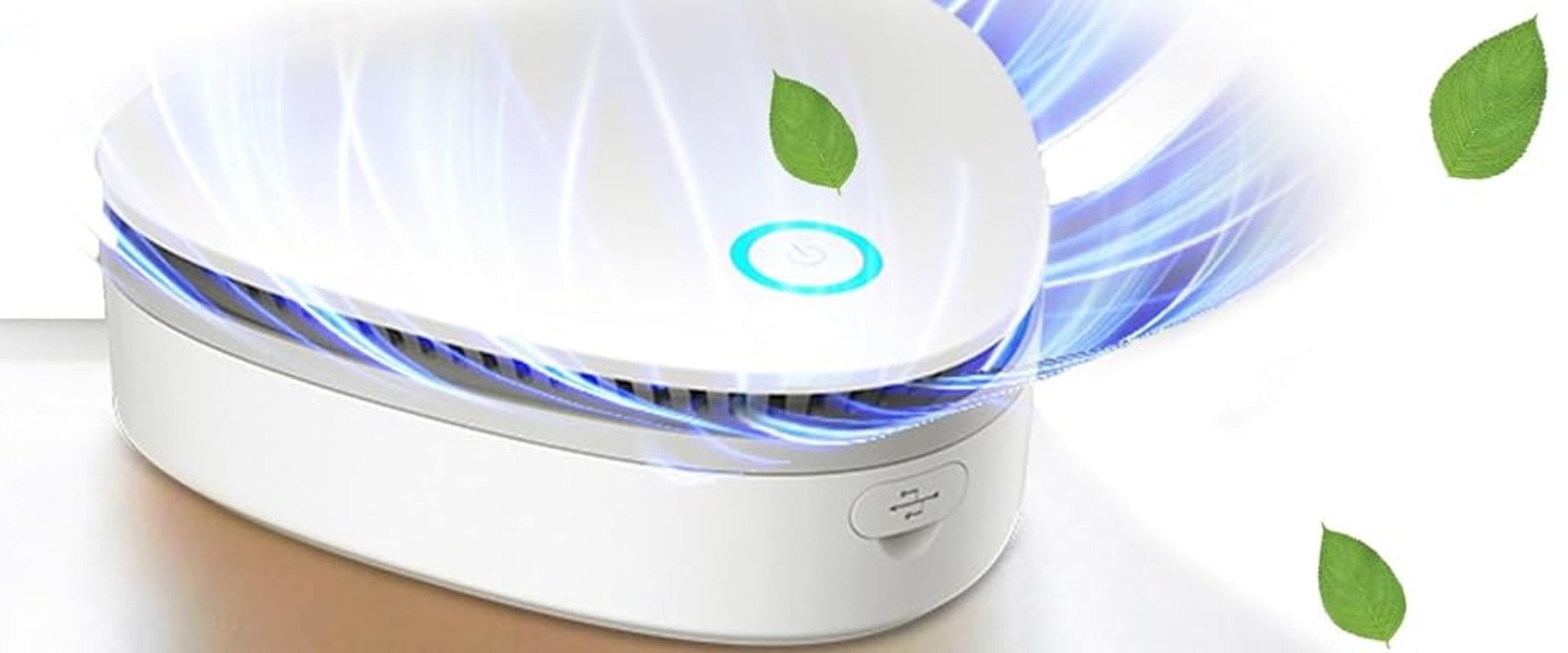
Ozone is a colorless gas composed of three oxygen atoms, and while it plays a vital role in the upper atmosphere by protecting us from harmful ultraviolet radiation, it can be detrimental to our health when present at ground level. Ground-level ozone is primarily formed through chemical reactions between volatile organic compounds (VOCs) and nitrogen oxides (NOx) in the presence of sunlight. These pollutants are often emitted from vehicles, industrial facilities, and even household products. Understanding the sources and behavior of ozone is essential for recognizing its potential health impacts.Exposure to elevated levels of ozone can lead to a variety of health issues, particularly affecting the respiratory system.
Individuals with pre-existing conditions such as asthma or chronic obstructive pulmonary disease (COPD) may experience exacerbated symptoms, including shortness of breath, chest pain, and coughing. Moreover, even healthy individuals can suffer from reduced lung function and increased susceptibility to respiratory infections when exposed to high ozone levels. The importance of ozone removal cannot be overstated, especially in urban areas where air quality is often compromised.In addition to its immediate health effects, long-term exposure to ozone can contribute to chronic respiratory diseases and may even have implications for cardiovascular health. Children, the elderly, and those with compromised immune systems are particularly vulnerable to the adverse effects of ozone exposure.
As awareness of these health risks grows, so does the demand for effective air purification solutions that can help mitigate indoor ozone levels.Choosing the right air purifier is crucial for maintaining a healthy indoor environment. Many consumers may not realize that certain air purifiers can inadvertently produce ozone as a by-product of their operation. Therefore, understanding how different air purification technologies work and their impact on ozone levels is essential for making informed decisions that prioritize health and well-being.
How Air Purifiers Work: A Brief Overview
Understanding how air purifiers work is essential for selecting the right model for your needs. These devices utilize various technologies to improve indoor air quality by removing pollutants, allergens, and harmful particles from the air we breathe.Below, we explore the primary mechanisms of air purification.
HEPA Filters
One of the most common technologies found in air purifiers is the High-Efficiency Particulate Air (HEPA) filter. HEPA filters are designed to capture at least 99.97% of particles that are 0.3 microns in size. This includes dust, pollen, pet dander, and even some bacteria and viruses. The effectiveness of HEPA filters lies in their dense fiber structure, which traps particles as air passes through.Activated Carbon Filters
Another crucial component in many air purifiers is the activated carbon filter.This type of filter excels at removing odors and volatile organic compounds (VOCs) from the air. Activated carbon is treated to create a vast network of tiny pores, which increases its surface area and allows it to adsorb gases and odors effectively. When combined with HEPA filters, activated carbon filters provide a comprehensive solution for both particulate and gaseous pollutants.
Ionizers
Ionizers
are another technology used in some air purifiers. They work by emitting negatively charged ions into the air, which attach to positively charged particles like dust and allergens.
This process causes these particles to clump together and either fall to the ground or be captured by the purifier's collection plates. While ionizers can enhance air purification, it’s important to choose models that do not produce ozone as a by-product, as ozone can be harmful to health.
UV-C Light Technology
Some advanced air purifiers incorporate UV-C light technology , which uses ultraviolet light to kill bacteria, viruses, and mold spores in the air. This method is particularly effective for sanitizing the air but is often used in conjunction with other filtration methods for optimal results.In summary, understanding these various air purification methods—from HEPA filters to ionizers—can help you make an informed decision when selecting an air purifier. Look for models that combine multiple technologies for comprehensive air cleaning capabilities, ensuring a healthier indoor environment.The Role of Ionizers in Air Purification
Ionizers play a significant role in enhancing the effectiveness of air purifiers by utilizing a unique technology that targets airborne pollutants.These devices work by emitting negatively charged ions into the air, which attach themselves to positively charged particles such as dust, pollen, smoke, and even some bacteria and viruses. This process causes the particles to clump together, making them heavier and allowing them to settle out of the air or be captured more easily by the air purifier's filters.
Benefits of Ionizers
- Enhanced Particle Removal: By charging particles in the air, ionizers improve the efficiency of air purifiers in capturing allergens and other pollutants. This is particularly beneficial for individuals with allergies or respiratory issues.
- Odor Reduction: Ionizers can help neutralize odors by breaking down odor-causing molecules, leading to fresher indoor air.
- Low Maintenance: Many ionizer-equipped air purifiers require less frequent filter changes since they can reduce the load on traditional filters by removing larger particles from the air.
Concerns About Ozone Production
One of the primary concerns regarding ionizers is their potential to produce ozone as a by-product. Ozone is a reactive gas that can be harmful to human health, particularly for those with pre-existing respiratory conditions.
Some ionizers generate ozone intentionally as part of their purification process, while others may produce it unintentionally. It is crucial for consumers to choose ionizer-equipped air purifiers that are designed to minimize or eliminate ozone production.
Choosing the Right Ionizer Technology
When selecting an air purifier with ionizer technology, look for models that have been certified by reputable organizations for safety and effectiveness. Additionally, consider options that combine ionization with HEPA filtration, as this combination can provide comprehensive air purification without compromising indoor air quality.In summary, while ionizers can significantly enhance the performance of air purifiers by improving pollutant removal and reducing odors, it is essential to be aware of their potential drawbacks, particularly concerning ozone production. By making informed choices and selecting high-quality products, consumers can enjoy cleaner and healthier indoor air.
Identifying Safe Air Purifiers: What to Look For
When searching for an air purifier, ensuring that it is safe and effective is paramount, especially for those concerned about ozone emissions.Ozone can be detrimental to health, particularly for individuals with respiratory issues. Here are some key factors to consider when selecting a safe air purifier that does not produce ozone as a by-product.
1.Look for Certifications
- CARB Certification: The California Air Resources Board (CARB) sets strict standards for air purifiers regarding ozone emissions. A CARB-certified air purifier has been tested and proven to meet these safety standards, ensuring it does not emit harmful levels of ozone.
- AHAM Certification: The Association of Home Appliance Manufacturers (AHAM) provides certification based on the Clean Air Delivery Rate (CADR). While this certification does not specifically address ozone, it indicates the purifier's effectiveness in removing pollutants.
- Energy Star Rating: Although primarily focused on energy efficiency, an Energy Star rating can also indicate a commitment to producing safe and effective appliances.
2.Understand the Technology Used
Different air purification technologies have varying impacts on ozone levels.
For instance:
- HEPA Filters: High-Efficiency Particulate Air (HEPA) filters are excellent for capturing particles like dust, pollen, and pet dander without generating ozone.
- Activated Carbon Filters: These filters help eliminate odors and volatile organic compounds (VOCs) without producing ozone.
- Ionic Purifiers: While some ionic purifiers can produce ozone as a by-product, many modern models are designed to minimize or eliminate this emission. Always check product specifications.
3.Read Customer Reviews and Expert Opinions
User feedback can provide valuable insights into the performance and safety of an air purifier. Look for reviews that specifically mention ozone emissions or any respiratory issues experienced after using the product.
4.Consider the Size and CADR Rating4.Consider the Size and CADR Rating
The size of the air purifier should match the room size for optimal performance. A higher CADR rating indicates a more efficient unit capable of circulating clean air quickly, which is essential for maintaining good indoor air quality without introducing harmful substances.By focusing on these aspects, you can confidently choose an ozone-free air purifier that enhances your indoor environment while safeguarding your health.
Top Air Purifier Brands for Ozone Removal
When it comes to selecting an air purifier that effectively removes ozone from the air, it's essential to consider reputable brands known for their commitment to safety and performance.Below are some of the top air purifier brands that excel in ozone removal capabilities, along with product recommendations based on customer reviews and expert evaluations.
- Blueair : Renowned for its innovative technology, Blueair combines HEPA filtration with ionization to enhance air purification without producing harmful ozone. The Blueair Classic 605 model is particularly praised for its high Clean Air Delivery Rate (CADR) and ability to capture a wide range of pollutants, including allergens and smoke.
- Dyson : Known for its cutting-edge design and engineering, Dyson offers air purifiers that not only filter the air but also provide heating and cooling options. The Dyson Pure Cool TP01 is a standout choice, featuring a sealed HEPA filter that captures 99.97% of particles as small as 0.3 microns while ensuring no ozone is emitted.
- Honeywell : A trusted name in home appliances, Honeywell produces a variety of air purifiers designed for different room sizes. The Honeywell HPA300 is highly rated for its powerful filtration system and ability to circulate clean air quickly, making it an excellent option for larger spaces.
- Rabbit Air : This brand focuses on customizable air purification solutions.
The Rabbit Air MinusA2 is unique because it allows users to choose a specialized filter for their specific needs, such as pet allergies or odors, while maintaining a low ozone output.
- Levoit : Known for affordability without compromising quality, Levoit offers several models that are effective in removing ozone. The Levoit Core 300 is compact yet powerful, featuring a true HEPA filter and activated carbon layer to eliminate odors and pollutants safely.
Comparing CADR Ratings: What You Need to Know
When it comes to selecting an air purifier, understanding CADR ratings is crucial.CADR, or Clean Air Delivery Rate , measures the effectiveness of an air purifier in delivering clean air. This rating is particularly important because it provides a clear indication of how quickly and efficiently an air purifier can remove specific pollutants from the air, such as dust, smoke, and pollen.The CADR rating is expressed in cubic feet per minute (CFM) and is typically provided for three categories of pollutants:
- Dust
- Smoke
- Pollen
A unit with a high CADR rating may be ideal for larger spaces, while smaller rooms may not require such high performance. Here are some tips for choosing an air purifier based on CADR ratings:
- Match the CADR to Room Size: Ensure that the CADR rating aligns with the square footage of your room. For example, if your room is 300 square feet, look for a purifier with a CADR rating that can effectively cover that area.
- Consider Pollutant Types: If you are particularly concerned about specific pollutants like smoke or allergens, prioritize models with higher CADR ratings in those categories.
- Check Manufacturer Specifications: Always refer to the manufacturer’s specifications for accurate CADR ratings and recommended room sizes.
Common Misconceptions About Air Purifiers and Ozone
When it comes to air purifiers, there are numerous misconceptions that can cloud consumer judgment.Understanding these myths is crucial for making informed decisions about which air purifier to purchase, especially when considering the implications of ozone and ionizers.
Myth 1: All Air Purifiers Remove Ozone
One of the most prevalent misconceptions is that all air purifiers effectively remove ozone from the air. In reality, many traditional air purifiers, particularly those that utilize ionization technology, can actually produce ozone as a by-product. This is concerning because ozone can be harmful to respiratory health. Therefore, it’s essential to choose an air purifier specifically designed to eliminate ozone rather than contribute to it.
Myth 2: Ionizers Are Safe and Effective
Another common belief is that ionizers are a safe and effective way to purify the air.
While ionizers do work by charging particles in the air, causing them to clump together and settle out of the air, they can also generate ozone. This dual action can lead to increased indoor ozone levels, which may pose health risks. Consumers should be cautious and look for ionizers that are certified to produce low or no ozone.
Myth 3: Ozone Is Beneficial for Indoor Air Quality
Some people mistakenly believe that ozone is beneficial for indoor air quality due to its ability to neutralize odors and pollutants. However, while ozone can react with certain pollutants, it can also create harmful by-products and irritate the lungs.
The Environmental Protection Agency (EPA) has warned against using ozone generators in occupied spaces, emphasizing that they do not improve indoor air quality.
Myth 4: All HEPA Filters Remove Ozone
Many consumers assume that if an air purifier has a HEPA filter, it will automatically remove all harmful substances, including ozone. However, HEPA filters are designed primarily to capture particulate matter such as dust, pollen, and pet dander. They do not have the capability to remove gases like ozone. Therefore, it’s important to look for additional filtration technologies that specifically target gaseous pollutants.
Myth 5: Higher Price Equals Better Performance
Lastly, there is a misconception that more expensive air purifiers are always more effective.
While price can sometimes correlate with quality, it’s not a definitive measure of performance. Consumers should focus on specific features such as CADR ratings, filter types, and certifications rather than solely relying on price as an indicator of effectiveness.By debunking these common myths surrounding air purifiers and ozone, consumers can make better-informed choices that prioritize their health and well-being.
Maintaining Your Air Purifier for Optimal Performance
To ensure your air purifier operates at peak efficiency and continues to provide clean air, regular maintenance is essential. Here are some practical tips to help you maintain your air purifier effectively:- Regular Filter Checks: One of the most critical aspects of air purifier maintenance is monitoring the condition of the filters. Depending on the model and usage, filters can become clogged with dust, allergens, and other particles.
Check your filters every month, and replace them according to the manufacturer’s recommendations. Most HEPA filters should be replaced every 6 to 12 months, while pre-filters may need more frequent changes.
- Clean the Exterior: Dust and dirt can accumulate on the exterior of your air purifier, which can affect its performance. Wipe down the outside of the unit with a damp cloth regularly to keep it clean. Avoid using harsh chemicals that could damage the surface.
- Vacuum the Intake and Outlet Grills: The intake and outlet grills can also collect dust and debris.
Use a vacuum cleaner with a brush attachment to gently clean these areas. This will help maintain optimal airflow and efficiency.
- Monitor Air Quality: Many modern air purifiers come equipped with air quality sensors that provide real-time feedback on indoor air quality. Pay attention to these readings; if you notice a decline in performance or an increase in pollutants, it may be time for a filter change or deeper cleaning.
- Keep It in a Suitable Location: The placement of your air purifier can significantly impact its effectiveness. Ensure it is positioned in an area where air can circulate freely around it, away from walls or furniture that could obstruct airflow.
- Follow Manufacturer Guidelines: Always refer to the user manual for specific maintenance instructions tailored to your model.
Each air purifier may have unique features or requirements that are crucial for its longevity.
Conclusion: Choosing the Right Air Purifier for Your Home
In summary, selecting the right air purifier for your home is crucial, especially when considering the potential health risks associated with ozone exposure. Throughout this article, we have explored various aspects of air purifiers, particularly focusing on their ability to remove ozone and other harmful pollutants from indoor air.One of the most significant takeaways is that not all air purifiers are created equal. While many models utilize HEPA filters to capture particulate matter effectively, they often fall short in addressing gaseous pollutants like ozone.Therefore, it is essential to look for purifiers that specifically mention their capability to handle ozone removal.
Key Factors to Consider:
- CADR Ratings: The Clean Air Delivery Rate (CADR) is a vital metric that indicates how quickly an air purifier can clean the air in a given space. A higher CADR rating generally means better performance in removing pollutants.
- Certification: Opt for air purifiers that are certified by reputable organizations such as CARB (California Air Resources Board). This certification ensures that the product meets strict safety and efficiency standards.
- Ozone Production: Be cautious of air purifiers that generate ozone as a by-product or use it as a primary cleaning method. These devices can exacerbate indoor air quality issues rather than alleviate them.
For instance, if you have pets or allergies, you may require a model with advanced filtration capabilities. Models like the Smart Air Blast Mini and Smart Air S not only provide effective purification but also integrate features that enhance usability and energy efficiency.Ultimately, investing in a high-quality air purifier tailored to your needs can significantly improve your indoor air quality. By making informed choices based on the factors discussed, you can create a healthier living environment free from harmful ozone levels and other pollutants.