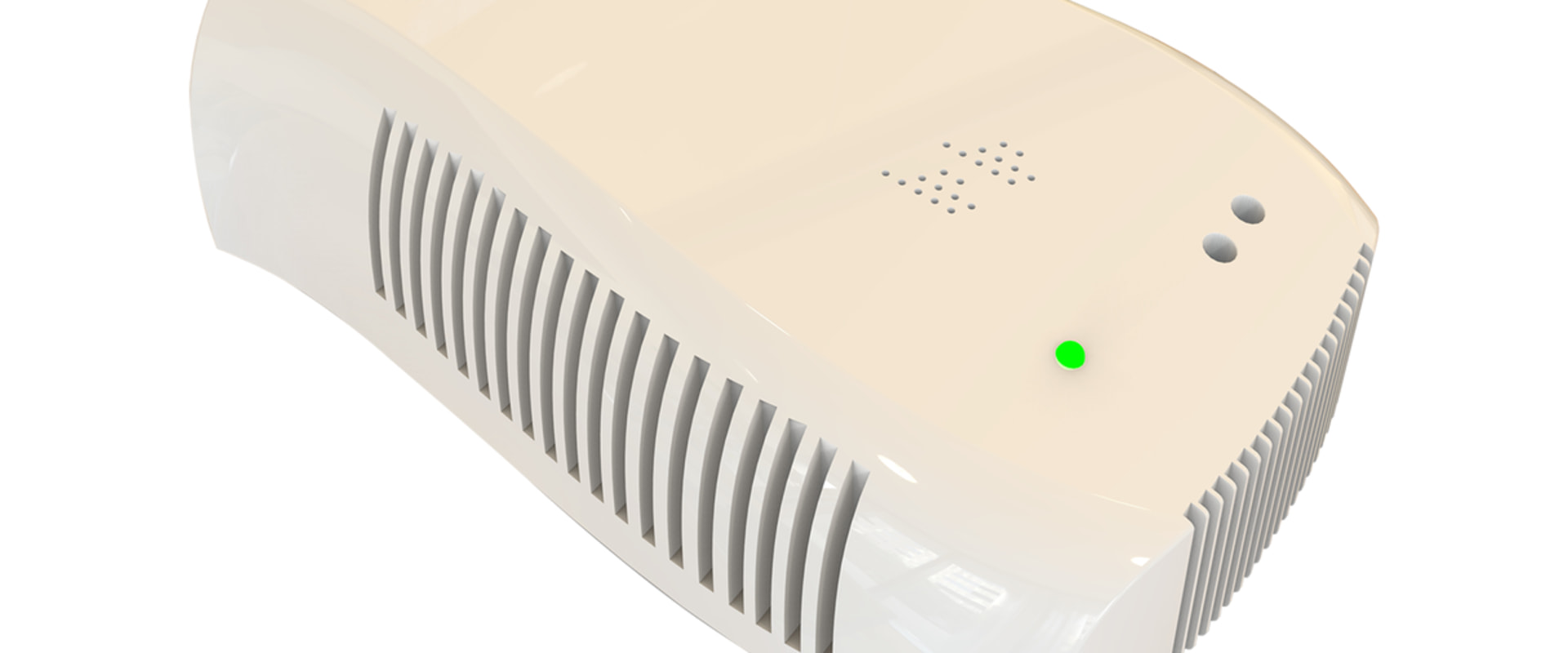
In today's world, where air quality is increasingly compromised by pollution, allergens, and other harmful particles, the demand for effective air purification solutions has surged.
Air purifiers
have emerged as essential devices in homes and offices, designed to filter out contaminants and improve the overall quality of the air we breathe. Among the various technologies employed in these devices, ionizers are often touted for their ability to enhance air purification by releasing negatively charged ions into the atmosphere.Understanding how these devices work is crucial for making informed decisions about which air purifier to choose. Air purifiers generally operate using filters that capture dust, pollen, smoke, and other particulates.However, ionizers take a different approach. They generate negative ions that attach themselves to positively charged particles in the air, such as dust and allergens. This process causes these particles to clump together and fall to the ground or stick to surfaces, effectively reducing their presence in the air we breathe.While the concept of ionization may sound beneficial, it is essential to recognize that not all ionizers are created equal. The effectiveness of an ionizer can vary significantly based on its design and technology.
Moreover, many consumers are unaware of the potential risks associated with ionizers, particularly regarding ozone production—a byproduct that can pose serious health risks. As we delve deeper into this topic, it becomes imperative to weigh the advantages of improved air quality against the hidden dangers that some ionizers may present.
How Ionizers Function: The Science Behind the Technology
To understand the potential dangers associated with ionizers, it is crucial to first grasp how these devices operate. Ionizers are a type of air purification technology that utilizes the process of ionization to improve air quality. But what exactly does this mean?At its core, the ionization process involves the generation of negatively charged ions.These ions are created when an ionizer uses electricity to strip electrons from air molecules. The result is a stream of negatively charged ions that are released into the surrounding environment.Once in the air, these negatively charged ions attach themselves to positively charged particles, such as dust, pollen, smoke, and other allergens. This attachment causes the particles to become heavier, leading them to settle out of the air rather than remaining suspended. In theory, this should lead to cleaner air and a reduction in airborne pollutants.However, while this process may sound beneficial, it is essential to consider the broader implications of ionization technology:
- Ozone Production: One of the most significant byproducts of ionization is ozone.
As ionizers work to create negative ions, they can also produce ozone as a secondary effect. Ozone is a reactive gas that can have harmful health effects when present in high concentrations.
- Limited Effectiveness: While ionizers can reduce certain airborne particles, they may not effectively eliminate all types of pollutants. For instance, they are less effective against volatile organic compounds (VOCs) and certain odors.
- Potential for Particle Re-entrainment: In some cases, once particles settle due to ionization, they can be disturbed and re-enter the air if there is movement in the room or if ventilation systems are activated.
The Production of Ozone: A Byproduct of Ionization
When discussing air purifiers, particularly those equipped with ionizers, it is crucial to understand the production of ozone as a byproduct of the ionization process.Ionizers work by emitting negatively charged ions into the air, which attach themselves to positively charged particles such as dust, pollen, and smoke. This process causes these particles to become heavier and fall to the ground, ostensibly cleaning the air. However, this beneficial effect comes with a significant downside: the generation of ozone.Ozone (O3) is a molecule composed of three oxygen atoms. While it exists naturally in the atmosphere and plays a role in protecting us from harmful ultraviolet radiation, it can be detrimental to human health when present in elevated concentrations.
The ionization process can lead to the formation of ozone through several mechanisms, including:
- Electrical Discharge: The high-voltage electricity used in ionizers can split oxygen molecules (O2) in the air, leading to the formation of ozone.
- Recombination: When negatively charged ions collide with oxygen molecules, they can recombine to form ozone.
- Coughing and Throat Irritation: Many individuals report discomfort in their respiratory tracts when exposed to high levels of ozone.
- Chest Pain: Ozone can cause inflammation in lung tissues, leading to sensations of tightness or pain in the chest.
- Asthma Exacerbation: For those with pre-existing respiratory conditions, such as asthma or chronic bronchitis, ozone exposure can trigger severe attacks or worsen symptoms.
Vulnerable populations, including children and individuals with pre-existing health conditions, are particularly at risk. Given these dangers, it is imperative for consumers considering an air purifier with an ionizer to thoroughly research and understand the implications of ozone production.In summary, while ionizers may offer some benefits in terms of air purification, the associated production of ozone presents significant health risks that should not be overlooked. Awareness and caution are essential when selecting an air purification system that includes an ionizer feature.
Health Risks Associated with Ionizers and Ozone Exposure
While ionizers are marketed as effective air purification devices, the health risks associated with their use, particularly due to ozone exposure, cannot be overlooked. Ozone, a byproduct of ionization, poses significant health threats, especially to vulnerable populations such as children and pets.Understanding Ozone and Its Effects
Ozone is a reactive gas that can lead to various health issues when inhaled.
The Environmental Protection Agency (EPA) has established guidelines for safe ozone levels, yet many ionizers exceed these limits. When ozone enters the lungs, it can cause:
- Respiratory Irritation: Symptoms may include coughing, throat irritation, and shortness of breath.
- Worsening of Asthma: For individuals with asthma or other chronic respiratory conditions, ozone can exacerbate symptoms and lead to increased medication use.
- Lung Damage: Prolonged exposure to elevated ozone levels can result in permanent lung damage and decreased lung function.
Vulnerable Populations at Risk
The impact of ozone exposure is particularly concerning for certain groups:
- Children: Their lungs are still developing, making them more susceptible to the harmful effects of ozone. Studies have shown that children exposed to high ozone levels may experience reduced lung function and increased respiratory infections.
- Pets: Small animals, such as birds and rodents, are especially vulnerable due to their sensitive respiratory systems. Exposure to ozone can lead to severe respiratory distress or even death in these pets.
Long-Term Health Consequences
The long-term effects of ozone exposure can be severe.
Chronic respiratory issues may develop over time, leading to a decreased quality of life. Additionally, individuals with pre-existing health conditions may find their symptoms worsening due to the presence of ozone in their environment.In conclusion, while air purifier ionizer companies promote their products as beneficial for air quality, it is crucial for consumers to be aware of the potential health risks associated with ozone exposure. Families should carefully consider these factors before investing in an ionizing air purifier.
Consumer Warnings: What to Look For When Choosing an Air Purifier
When selecting an air purifier, especially one that includes an ionizer, it is crucial to be aware of specific consumer warnings and safety standards. Understanding these factors can help you make an informed decision that prioritizes your health and well-being.1.Read the Warning Labels
- Most air purifiers come with warning labels that indicate the presence of an ionizer and the potential risks associated with ozone production.
Always check for these labels before making a purchase.
- Look for phrases such as "produces ozone" or "ionizer function" to identify whether the device may emit harmful levels of ozone.
2.Understand Ozone Levels
- The Environmental Protection Agency (EPA) has established safety standards for ozone levels in indoor environments. Ensure that any air purifier you consider complies with these standards.
- Some ionizers may produce ozone levels that exceed EPA recommendations, which can pose health risks, particularly for vulnerable populations such as children and pets.
3.Research the Brand and Model
- Investigate the reputation of the air purifier ionizer company. Look for reviews and testimonials from other consumers to gauge their experiences with specific models.
- Check if the company provides transparent information about their products' ozone emissions and safety features.
4.Consider Alternative Technologies
- If you are concerned about the potential dangers of ionizers, consider air purifiers that utilize alternative technologies, such as HEPA filters or activated carbon filters, which do not produce ozone.
- These alternatives can effectively remove pollutants from the air without the associated risks of ionization.
5.Consult Expert Opinions
- Seek advice from professionals in indoor air quality or environmental health. They can provide insights into which air purifiers are safest and most effective for your needs.
- Consider reaching out to organizations focused on air quality for recommendations on reliable products that meet safety standards.
Protecting Yourself and Your Loved Ones from Ionizer Risks
To ensure the safety of yourself and your loved ones while using ionizers, it is crucial to adopt certain practices that minimize potential risks.Here are some actionable tips to help you use ionizers safely:
- Read the Manual: Before operating your air purifier with an ionizer, thoroughly read the user manual. Pay close attention to any warnings or recommendations regarding ozone production.
- Monitor Ozone Levels: Consider investing in an ozone monitor to keep track of the ozone levels in your home. This will help you determine if the ionizer is producing harmful amounts of ozone.
- Use in Well-Ventilated Areas: Always operate your ionizer in a well-ventilated space. Open windows or use exhaust fans to help disperse any ozone that may be generated.
- Limit Usage Time: Reduce the amount of time the ionizer is running, especially when people or pets are present.
Use it during times when the space is unoccupied, such as when you are at work or sleeping.
- Turn Off Ionizer Function: If your air purifier allows it, consider turning off the ionizer function when it is not needed. Rely on other filtration methods, such as HEPA filters, which do not produce ozone.
- HEPA Filters: High-Efficiency Particulate Air (HEPA) filters capture 99.97% of particles that are 0.3 microns or larger, including dust, pollen, and pet dander. They do not produce ozone and are highly effective for allergy sufferers.
- Activated Carbon Filters: These filters absorb odors and volatile organic compounds (VOCs) without releasing harmful byproducts. They work well in conjunction with HEPA filters for comprehensive air purification.
- UV-C Light Purifiers: Ultraviolet light purifiers can kill bacteria and viruses without producing ozone.
They can be a great addition to your air purification system.
- Regular Cleaning: Dust and vacuum your home frequently to reduce allergens and pollutants.
- Avoid Smoking Indoors: Smoking indoors can significantly degrade indoor air quality and introduce harmful chemicals into your living space.
- Houseplants: Certain houseplants can naturally purify the air by absorbing toxins and releasing oxygen. Consider adding plants like spider plants or peace lilies to your home.
Alternatives to Ionizers: Exploring Safer Air Purification Options
As consumers become more aware of the potential dangers associated with ionizers, it is essential to explore safer air purification options that effectively improve indoor air quality without the risks of ozone production. Here are some viable alternatives:HEPA Filters
High-Efficiency Particulate Air (HEPA) filters are among the most trusted and effective air purification technologies available. These filters are designed to capture at least 99.97% of particles that are 0.3 microns in diameter, including dust, pollen, pet dander, and even some bacteria and viruses.The benefits of HEPA filters include:
- Efficiency: HEPA filters trap a wide range of airborne pollutants, making them ideal for allergy sufferers and those with respiratory issues.
- No Ozone Production: Unlike ionizers, HEPA filters do not produce ozone or other harmful byproducts, ensuring a safer environment for you and your loved ones.
- Low Maintenance: While HEPA filters need to be replaced periodically, they generally require less frequent maintenance compared to ionizers.
Activated Carbon Filters
Activated carbon filters are another excellent alternative for air purification. These filters use activated carbon to adsorb odors, gases, and volatile organic compounds (VOCs) from the air. Here’s why they are beneficial:- Odor Removal: Activated carbon is particularly effective at eliminating unpleasant odors from cooking, pets, and smoke.
- Chemical Absorption: These filters can capture harmful chemicals and pollutants that may not be effectively filtered by HEPA alone.
- Complementary Use: Many air purifiers combine HEPA and activated carbon filters for comprehensive air cleaning.
UV-C Light Air Purifiers
Another innovative option is UV-C light air purifiers. These devices use ultraviolet light to kill or deactivate microorganisms such as bacteria, viruses, and mold spores.Key advantages include:
- Microbial Control: UV-C light effectively reduces the presence of harmful pathogens in the air.
- No Chemical Residue: This method does not introduce any chemicals into your home environment.
Frequently Asked Questions About Ionizers and Air Purifiers
When considering an air purifier with an ionizer, many consumers have questions regarding their functionality, safety, and effectiveness. Below are some of the most frequently asked questions about ionizers and air purifiers.What is the difference between an air purifier and an ionizer?
An air purifier is a device designed to remove contaminants from the air in a room. It typically uses filters, such as HEPA filters, to trap particles like dust, pollen, and pet dander.An ionizer, on the other hand, works by emitting negative ions into the air. These ions attach to airborne particles, causing them to clump together and fall to the ground or stick to surfaces.
Are ionizers safe to use?
While ionizers can help reduce airborne particles, they also produce ozone as a byproduct. Ozone can be harmful to health, especially for individuals with respiratory issues. It is crucial to check the ozone output of any ionizer before purchasing.The Environmental Protection Agency (EPA) recommends that ozone levels remain below 0.05 parts per million (ppm) for safety.
Can ionizers help with allergies?
Ionizers may provide some relief for allergy sufferers by reducing airborne allergens. However, they are not a substitute for traditional air purifiers with HEPA filters, which are proven to capture a higher percentage of allergens effectively.How often should I clean or replace filters in my air purifier?
The frequency of cleaning or replacing filters depends on the type of air purifier you own and how often it is used. Generally, HEPA filters should be replaced every 6 to 12 months, while pre-filters may need cleaning or replacement every 1 to 3 months. Always refer to the manufacturer's guidelines for specific recommendations.Do I need an air purifier with an ionizer if I already have good ventilation?
Good ventilation is essential for maintaining indoor air quality; however, it may not be sufficient in removing all pollutants.An air purifier can complement ventilation by targeting specific contaminants that may linger in the air. If you live in an area with high pollution levels or have allergies, investing in a quality air purifier may be beneficial.
What should I look for when choosing an air purifier?
- Filter Type: Look for HEPA filters for effective particle removal.
- Ozone Emission: Ensure that the unit produces minimal or no ozone.
- Room Size: Choose a model suitable for the size of your room.
- Noisy Operation: Consider noise levels if you plan to use it in a bedroom or quiet space.
Conclusion: Making Informed Choices About Air Purification
In conclusion, the journey through the world of air purifiers, particularly those equipped with ionizers, has unveiled significant insights that every consumer should consider. While the allure of cleaner air is enticing, it is crucial to recognize the potential hazards associated with ionizers. The production of ozone as a byproduct poses serious health risks, especially for vulnerable populations such as children and pets.As we have discussed, ionizers work by emitting negative ions that attach to airborne particles, causing them to settle out of the air.However, this process can inadvertently lead to elevated ozone levels, which can trigger respiratory issues and exacerbate existing health conditions. Therefore, understanding the implications of using an air purifier with an ionizer is essential for making informed choices.When selecting an air purification device, consider the following:
- Read Labels Carefully: Always check for warning labels regarding ozone production. Look for terms like "ionizer" or "ozone generator" and ensure that any emissions are within safe limits as defined by the Environmental Protection Agency (EPA).
- Evaluate Alternatives: Explore other types of air purifiers that do not rely on ionization. Options such as HEPA filters and activated carbon filters can effectively remove pollutants without the associated risks of ozone.
- Prioritize Ventilation: If you choose to use an ionizer, ensure that your space is well-ventilated to help disperse any ozone generated during operation.
- Stay Informed: Keep abreast of new research and guidelines regarding air purification technologies.
The field is constantly evolving, and staying informed will empower you to make better choices.