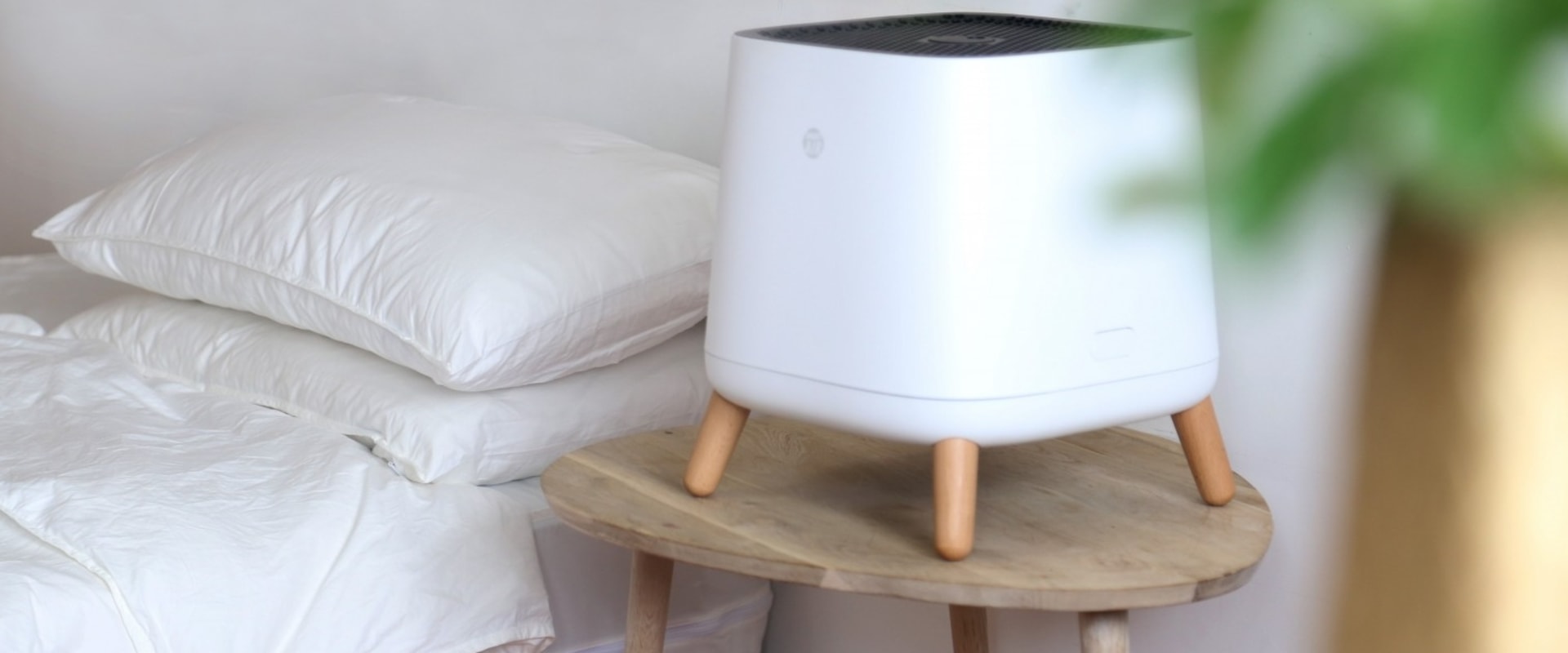
In today's world, where indoor air quality is often compromised by pollutants, allergens, and other harmful particles, understanding the functionality of air purifiers is essential. These devices are designed to enhance the air we breathe by filtering out contaminants, making them particularly beneficial for individuals with allergies, asthma, or other respiratory issues. The effectiveness of an air purifier largely depends on its design and the technology it employs. Among the most common types are those equipped with HEPA (High-Efficiency Particulate Air) filters and ionizers.HEPA filters are renowned for their ability to capture at least 99.97% of particles that are 0.3 microns in diameter.
This includes dust mites, pollen, pet dander, and even some bacteria and viruses. When air passes through a HEPA filter, these tiny particles are trapped within the dense fibers of the filter material, preventing them from re-entering the room. This makes HEPA-equipped air purifiers a popular choice among air purifier ionizer companies that prioritize high filtration efficiency.On the other hand, ionizers work by emitting negatively charged ions into the air. These ions attach themselves to positively charged particles such as dust and smoke, causing them to clump together and fall to the ground or stick to surfaces instead of remaining airborne.
While ionizers can effectively reduce airborne particles, they may also produce ozone as a byproduct, which can be a concern for some users. Therefore, it’s crucial to understand the differences between these technologies when selecting an air purifier.Ultimately, knowing how air purifiers work not only helps consumers make informed decisions but also allows them to appreciate the numerous benefits these devices offer. From reducing allergy symptoms to improving overall indoor air quality, investing in a quality air purifier can significantly enhance your living environment.
Health Benefits of Sleeping Next to an Air Purifier
Utilizing an air purifier while you sleep can significantly enhance your overall health and well-being. The primary function of an air purifier is to eliminate airborne pollutants, allergens, and irritants, which can lead to a range of health benefits.Improved Respiratory Health
One of the most notable advantages of sleeping next to an air purifier is the improvement in respiratory health.
Air purifiers are particularly effective at removing particulate matter such as dust, pollen, pet dander, and smoke from the air. For individuals with asthma or chronic obstructive pulmonary disease (COPD), cleaner air can reduce the frequency and severity of symptoms. Studies have shown that consistent use of air purifiers can lead to fewer asthma attacks and a decrease in respiratory infections.
Reduction in Allergy Symptoms
For allergy sufferers, sleeping next to an air purifier can be a game-changer. By filtering out common allergens, such as mold spores and dust mites, an air purifier can help alleviate symptoms like sneezing, nasal congestion, and itchy eyes.
This is especially beneficial during allergy seasons when pollen counts are high. A study conducted by the American Academy of Allergy, Asthma & Immunology found that using an air purifier in the bedroom significantly reduced allergy symptoms among participants.
Enhanced Sleep Quality
Another critical benefit of using an air purifier while sleeping is improved sleep quality. Poor air quality can disrupt sleep patterns and lead to restless nights. By ensuring that the air you breathe is clean and free from irritants, you may find it easier to fall asleep and stay asleep throughout the night.
Additionally, some air purifiers operate quietly, providing a soothing background noise that can further promote relaxation and enhance your sleep environment.
Overall Well-Being
Incorporating an air purifier into your nightly routine not only supports respiratory health and reduces allergy symptoms but also contributes to your overall well-being. Clean air can improve mood, increase energy levels, and enhance cognitive function. When you wake up feeling refreshed due to better sleep quality and cleaner air, it sets a positive tone for the day ahead.In summary, the health benefits of sleeping next to an air purifier are substantial. From improved respiratory health and reduced allergy symptoms to enhanced sleep quality and overall well-being, investing in a quality air purifier can be a wise decision for anyone looking to create a healthier indoor environment.
Considerations Before Placing an Air Purifier in Your Bedroom
When considering the placement of an air purifier in your bedroom, several factors can significantly influence its effectiveness and your overall sleep quality.Understanding these considerations can help you maximize the benefits of cleaner air while minimizing any potential drawbacks.
Optimal Positioning
The positioning of your air purifier is crucial for ensuring that it operates at peak efficiency. Ideally, the air intake should face your bed, allowing the device to filter the air surrounding you first. This setup ensures that you are breathing in the cleanest air possible throughout the night.The positioning of your air purifier is crucial for ensuring that it operates at peak efficiency. Ideally, the air intake should face your bed, allowing the device to filter the air surrounding you first. This setup ensures that you are breathing in the cleanest air possible throughout the night.Room Layout
The layout of your bedroom plays a significant role in how well an air purifier can function. Consider the following:- Avoid Corners: Placing an air purifier in a corner can restrict airflow and reduce its ability to circulate clean air effectively.
Instead, position it away from walls and furniture to allow for optimal air circulation.
- Distance from Obstacles: Ensure that there are no large furniture pieces or other obstacles within a few feet of the air purifier. This will help maintain a clear path for airflow and enhance its performance.
- Height Matters: If possible, place the air purifier on a table or stand rather than on the floor. This elevation can improve its ability to capture airborne particles, as many allergens and pollutants tend to float at or above waist height.
Airflow Dynamics
Understanding how air moves within your bedroom is essential for effective air purification. Here are some tips to consider:- Close Windows and Doors: To prevent outdoor pollutants from entering, keep windows and doors closed while using your air purifier.
This creates a controlled environment where the device can work more efficiently.
- Utilize Ceiling Fans Wisely: If you have ceiling fans, consider their direction. Running them counterclockwise can help circulate purified air throughout the room, enhancing overall airflow.
- Monitor Airflow Patterns: Pay attention to how air flows in your room. If there are drafts or areas where air stagnates, adjust the placement of your air purifier accordingly to ensure it captures as many airborne contaminants as possible.
The Role of Air Purifier Ionizers: Pros and Cons
When considering an air purifier, many people come across the term ionizer.An ionizer is a type of air purifier that uses charged particles to remove pollutants from the air. Understanding the pros and cons of ionizers can help you determine if this technology is suitable for your needs.
Advantages of Ionizers
- Effective Particle Removal: Ionizers work by emitting negatively charged ions into the air, which attach to positively charged particles like dust, pollen, and smoke. This process causes these particles to clump together and fall to the ground or stick to surfaces, effectively reducing airborne contaminants.
- Low Energy Consumption: Compared to traditional air purifiers with HEPA filters, ionizers typically consume less energy. This can be a significant advantage for those looking to reduce their electricity bills while maintaining cleaner air.
- No Filter Replacement: Ionizers do not require filter replacements, which can save you money and hassle over time.
Instead, they may need occasional cleaning of their collection plates or surfaces.
Disadvantages of Ionizers
- Ozone Production: One of the primary concerns with ionizers is that they can produce ozone as a byproduct. Ozone can be harmful to respiratory health, especially for individuals with asthma or other lung conditions. It’s crucial to choose an ionizer that complies with safety standards regarding ozone emissions.
- Limited Effectiveness Against Certain Pollutants: While ionizers are effective at removing larger particles, they may not be as efficient at eliminating smaller pollutants such as volatile organic compounds (VOCs) or certain bacteria and viruses. For comprehensive air purification, combining an ionizer with a HEPA filter may be necessary.
- Surface Residue: The particles that ionizers remove from the air often settle on surfaces in your home.
This means you may need to clean more frequently to remove dust and allergens that accumulate on furniture and floors.
Energy Consumption and Noise Levels: What to Expect
When considering the use of an air purifier at night, two primary concerns often arise: energy consumption and noise levels. Understanding these factors can help you make informed decisions about your air purification needs without compromising your sleep quality or incurring high energy bills.Energy Consumption
Air purifiers vary significantly in their energy usage, depending on the model and its features. Most modern air purifiers are designed to be energy-efficient, often consuming between 30 to 100 watts per hour.To put this into perspective, running a purifier for eight hours a night could cost you anywhere from $0.03 to $0.24 per night, depending on your local electricity rates.To minimize energy costs while ensuring effective air purification, consider the following tips:
- Choose an Energy Star-rated model: These purifiers are certified to be more energy-efficient than standard models, helping you save on electricity bills.
- Utilize a timer: Many air purifiers come with built-in timers that allow you to set them to run only during specific hours, reducing unnecessary energy consumption.
- Adjust settings based on need: Use higher settings when you first turn on the purifier to quickly clean the air, then switch to a lower setting for maintenance throughout the night.
Noise Levels
The noise produced by an air purifier can significantly impact your sleep quality. Most models operate at sound levels ranging from 20 dB (whisper-quiet) to 60 dB (similar to a normal conversation). For reference, a quiet library typically measures around 40 dB.To ensure that your air purifier does not disturb your sleep, consider these strategies:- Select a quiet model: Look for purifiers specifically designed for quiet operation or those labeled as "sleep mode" which reduce fan speed and noise levels during nighttime use.
- Positioning: Place the air purifier further away from your bed or in a corner of the room to minimize direct noise exposure while still benefiting from clean air circulation.
- Run it before bedtime: Consider running the purifier for a couple of hours before you go to sleep. This allows it to clean the air effectively while you are still awake and can help reduce noise levels when you are ready to rest.
With careful selection and strategic use, an air purifier can be a valuable addition to your nighttime routine.
Expert Recommendations for Using Air Purifiers Effectively
To ensure that your air purifier operates at its best while you sleep, consider the following expert recommendations. These tips will help you maximize air quality and enhance your overall sleeping environment.Optimal Settings for Nighttime Use
When using an air purifier at night, it’s crucial to select the right settings. Most experts recommend starting with a higher fan speed for the first hour or two. This allows the purifier to quickly filter out any pollutants that have accumulated during the day.After this initial period, you can switch to a lower setting to maintain a quieter operation while still benefiting from clean air.
Strategic Placement
The placement of your air purifier can significantly impact its effectiveness. Ideally, position the unit near your bed but not directly facing you. This setup ensures that you receive a steady stream of purified air without feeling uncomfortable from direct airflow. Additionally, make sure that the air intake is unobstructed and facing towards your sleeping area to maximize filtration efficiency.Regular Maintenance
To keep your air purifier functioning optimally, regular maintenance is essential.Change or clean the filters as recommended by the manufacturer—typically every 6 to 12 months, depending on usage and filter type. A clogged filter can reduce airflow and diminish purification capabilities, leading to poorer air quality.
Enhancing Indoor Air Quality
In addition to using an air purifier, consider implementing other practices to improve indoor air quality:- Keep Windows Closed: Close windows and doors while the purifier is running to prevent outdoor pollutants from entering.
- Avoid Smoking Indoors: Tobacco smoke is a significant indoor pollutant; refrain from smoking inside your home.
- Use Natural Cleaning Products: Opt for eco-friendly cleaning supplies that do not emit harmful chemicals into the air.
- Maintain Humidity Levels: Use a dehumidifier if necessary to keep humidity levels between 30-50%, which helps prevent mold growth.
Frequently Asked Questions About Air Purifiers and Sleep
When it comes to using an air purifier while sleeping, many people have questions and concerns. Below are some of the most frequently asked questions that can help clarify common misconceptions and provide valuable insights.1.Can an air purifier help with sleep quality?
Yes, an air purifier can significantly enhance sleep quality.By removing allergens, dust, and other pollutants from the air, it creates a cleaner sleeping environment. This is particularly beneficial for individuals with allergies or respiratory issues, as cleaner air can lead to fewer nighttime disturbances.
2.Is it safe to sleep next to an air purifier?
Generally, it is safe to sleep next to an air purifier. However, it’s essential to ensure that the device is placed correctly. The air intake should face away from your bed to avoid direct airflow on your face, which could be uncomfortable.Additionally, make sure the purifier is from a reputable air purifier ionizer company to ensure safety and efficiency.
3.Do air purifiers produce ozone?
This is a common myth. While some air purifiers, particularly ionizers, can produce ozone as a byproduct, many modern air purifiers are designed to minimize or eliminate ozone emissions. Always check the specifications of your device and opt for models certified as ozone-free if this is a concern.4.How loud are air purifiers when running at night?
The noise level of an air purifier varies by model. Many units operate quietly on lower settings, making them suitable for nighttime use.Look for models specifically designed for bedrooms that feature a "sleep mode" or low-noise operation.
5.Should I run my air purifier all night?
Running your air purifier all night can be beneficial, especially if you suffer from allergies or asthma. Continuous operation ensures that the air remains clean and free from pollutants throughout the night. However, if energy consumption is a concern, consider using a timer or setting it to run at higher speeds for a few hours before bedtime and then switching to a lower setting.6.Can I use an air purifier with my windows open?
While you can use an air purifier with windows open, it may not be as effective in filtering out outdoor pollutants that enter your home. For optimal performance, it’s best to keep windows and doors closed while the unit is running.By addressing these common questions and misconceptions about sleeping with an air purifier, you can make informed decisions that enhance your indoor air quality and overall well-being during sleep.Conclusion: Weighing the Benefits Against the Considerations
In summary, the decision to sleep next to an air purifier involves a careful evaluation of both its benefits and considerations.As we have explored, air purifiers can significantly enhance indoor air quality by removing allergens, pollutants, and other harmful particles from the air. This is particularly beneficial for individuals suffering from allergies, asthma, or other respiratory conditions. The continuous filtration of air while you sleep can lead to improved breathing, reduced allergy symptoms, and a more restful night.However, it is essential to consider several factors before placing an air purifier in your bedroom. Proper placement is crucial; positioning the unit so that the air intake faces your bed ensures that you are receiving the cleanest air possible.
Additionally, keeping doors and windows closed while the purifier is in operation maximizes its effectiveness by preventing outside contaminants from entering the room.Another important aspect to consider is the noise level of the air purifier. While many modern units operate quietly, some may produce sounds that could disrupt your sleep. It’s advisable to choose a model known for its low noise output, especially if you are sensitive to sound during the night.Furthermore, understanding the layout of your room and how air circulates can impact the performance of your air purifier. If there are obstacles that impede airflow or if your room has a unique shape, you may need to experiment with different placements to achieve optimal results.Lastly, energy consumption is a practical consideration.
Running an air purifier continuously can lead to increased electricity bills. To mitigate this, consider using a timer or setting it on a lower setting after an initial high-speed run to filter out pollutants effectively.Ultimately, while the advantages of using an air purifier in your bedroom are compelling—ranging from improved health outcomes to enhanced sleep quality—it is vital to weigh these benefits against potential drawbacks. By making informed decisions regarding placement, model selection, and operational strategies, you can create a healthier sleeping environment that supports your overall well-being.