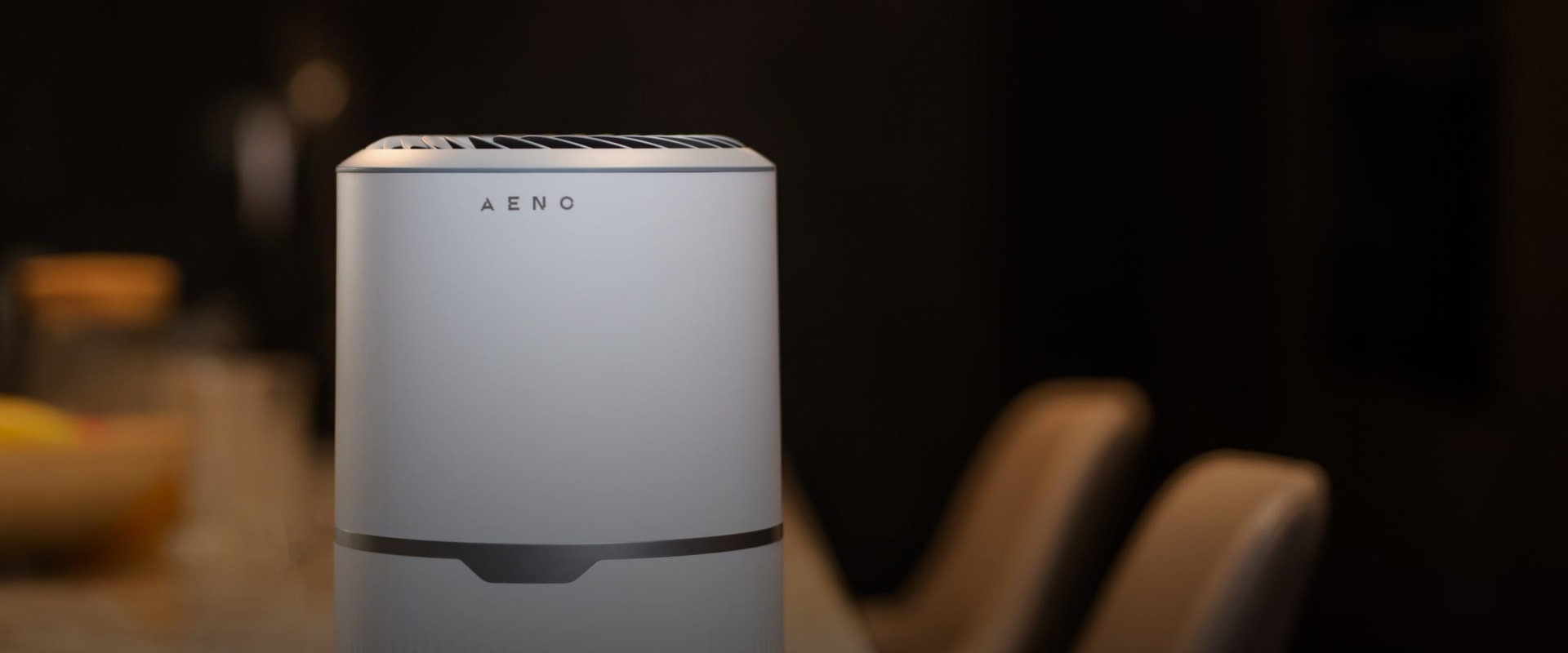
Air ionizers are innovative devices designed to enhance indoor air quality by emitting negatively charged ions into the atmosphere. These ions attach themselves to positively charged particles, such as dust, pollen, smoke, and other allergens, effectively neutralizing them. This process not only helps in reducing airborne pollutants but also contributes to a fresher and cleaner environment. Understanding how air ionizers work is essential for anyone considering their use, especially when it comes to determining the optimal duration for operation.The functionality of an air ionizer is rooted in its ability to create a balance in the air.
When the device is activated, it releases ions that bind with harmful particles, causing them to become heavier and fall to the ground or stick to surfaces instead of remaining suspended in the air. This mechanism is particularly beneficial for individuals suffering from allergies or respiratory issues, as it can significantly reduce irritants in their living spaces. Moreover, many users report an improvement in overall well-being and comfort when using these devices regularly.In addition to purifying the air, air ionizers can also help eliminate odors and enhance the freshness of indoor spaces. They are often used in conjunction with traditional air purifiers to maximize air quality benefits. When the device is activated, it releases ions that bind with harmful particles, causing them to become heavier and fall to the ground or stick to surfaces instead of remaining suspended in the air. This mechanism is particularly beneficial for individuals suffering from allergies or respiratory issues, as it can significantly reduce irritants in their living spaces. Moreover, many users report an improvement in overall well-being and comfort when using these devices regularly.In addition to purifying the air, air ionizers can also help eliminate odors and enhance the freshness of indoor spaces. They are often used in conjunction with traditional air purifiers to maximize air quality benefits.
However, understanding the best duration for running an air ionizer is crucial for achieving optimal results without unnecessary energy consumption. By learning about the ideal operating times and conditions for these devices, users can ensure they are getting the most out of their investment while maintaining a healthy living environment.
Factors Influencing the Duration of Air Ionizer Use
When determining the optimal duration for running an air ionizer, several key factors come into play. Understanding these elements can significantly enhance the effectiveness of your air purification efforts.Room Size
The size of the room where the air ionizer is used is one of the most critical factors. Larger spaces require longer operation times to ensure that the air is adequately purified.For instance, in a spacious living room or open-concept area, you may need to run the ionizer for a longer duration compared to a small bedroom or home office. A general guideline is to operate the device for:
- Small Rooms: 1 to 2 hours daily.
- Medium Rooms: 2 to 4 hours daily.
- Large Rooms: 4 to 8 hours daily.
Air Quality
The current air quality in your environment also plays a significant role in determining how long you should run your air ionizer. If you live in an area with high levels of pollution, allergens, or smoke, you may need to increase the duration of use. Conversely, if the air quality is generally good, shorter operation times may suffice.Regularly monitoring air quality can help you adjust the running time accordingly.
Usage Frequency
Your personal usage patterns and lifestyle habits are equally important. If you spend most of your time at home, especially in areas where allergens are prevalent (like pet dander or dust), it’s advisable to run the ionizer more frequently. On the other hand, if you are often away from home or only use certain rooms occasionally, you can reduce the running time without compromising air quality.In summary, by considering room size, air quality, and usage frequency, you can make informed decisions about how long to operate your air ionizer. This tailored approach not only maximizes its effectiveness but also ensures energy efficiency and prolongs the lifespan of your device.Recommended Duration for Different Room Sizes
When it comes to optimizing the performance of your air ionizer, understanding the appropriate duration for operation based on room size is crucial.Different spaces require varying levels of air purification, and tailoring the usage of your air ionizer can significantly enhance air quality and overall effectiveness.
Small Rooms
In smaller spaces, such as a home office or a bedroom, running your air ionizer for 30 minutes to 1 hour is generally sufficient. These compact areas typically have less air volume, allowing the ionizer to effectively circulate and purify the air within a shorter time frame. If you notice persistent odors or allergens, consider running the device for an additional hour or two, especially during peak usage times like sleeping or working.Medium Rooms
For medium-sized rooms, such as living rooms or dining areas, it is advisable to operate your air ionizer for about 1 to 3 hours. This duration allows the device to adequately filter out pollutants and allergens that may accumulate in spaces where people gather.If you have pets or live in an area with high pollen counts, extending the run time to around 4 hours can provide added benefits by ensuring that the air remains fresh and clean throughout the day.
Large Rooms
In larger rooms or open-concept spaces, such as great rooms or basements, you may need to run your air ionizer for a longer duration—typically between 4 to 8 hours. The increased volume of air in these areas means that it takes longer for the ionizer to effectively cleanse the environment. For optimal results, consider running the device continuously during times when the room is occupied. Additionally, using multiple units in different zones can enhance overall air quality.Ultimately, while these recommendations serve as a guideline, it’s essential to monitor your specific environment and adjust the duration based on factors like air quality, occupancy levels, and personal preferences.Regularly assessing how your space feels can help you determine if adjustments are necessary for maintaining a healthy atmosphere.
Daily Usage Guidelines for Air Ionizers
When it comes to maximizing the benefits of your air ionizer, understanding the optimal running time is crucial. The duration for which you should run your air ionizer can vary based on several factors, including the size of the space, the level of air pollution, and your personal preferences.Daily Usage Recommendations
- For Small Rooms: In smaller spaces such as bedrooms or home offices, running your air ionizer for about 4 to 6 hours each day can significantly improve air quality. This duration is typically sufficient to reduce allergens and pollutants effectively.
- For Medium to Large Rooms: If you are using an air ionizer in larger areas like living rooms or open-concept spaces, consider running it for 8 to 12 hours. This extended usage ensures that the device can circulate and purify the air thoroughly.
- Continuous Use: While it is generally not necessary to run your air ionizer continuously throughout the day, doing so can be beneficial in environments with high levels of pollution or during allergy seasons.
If you choose this option, ensure that you regularly maintain and clean the filters to prevent any buildup of dust and allergens.
Energy Efficiency Considerations
It’s important to balance effective air purification with energy efficiency. Running your air ionizer for longer periods than necessary can lead to increased energy consumption. To optimize both performance and energy use:
- Set a Timer: Many modern air ionizers come with built-in timers. Utilize this feature to run the device during peak hours when you are at home and need clean air the most.
- Monitor Air Quality: Consider investing in an air quality monitor.
This device can help you determine when your indoor air quality is poor, allowing you to run your ionizer only when needed.
- Regular Maintenance: Ensure that you clean or replace filters as recommended by the manufacturer. A well-maintained unit operates more efficiently and effectively.
Energy Efficiency and Cost Considerations
When considering the use of an air ionizer, understanding its energy consumption is crucial for both environmental and financial reasons. Air ionizers, while effective in improving indoor air quality, can vary significantly in their energy usage depending on the model and how they are operated.Most modern air ionizers are designed to be energy-efficient, often consuming less power than traditional air purifiers.Typically, these devices use between 20 to 50 watts per hour. To put this into perspective, running an air ionizer for 10 hours a day could cost you anywhere from $0.24 to $0.60 per month, depending on your local electricity rates. This is a relatively low cost compared to the benefits of cleaner air.
Cost of Running Air Ionizers
The cost of running air ionizers can be influenced by several factors:- Usage Duration: The longer you run your ionizer, the higher your energy bill will be. For optimal performance without excessive costs, aim for 10 to 12 hours of operation in high-use areas.
- Device Efficiency: Look for models that are certified for energy efficiency.
Devices with Energy Star ratings are designed to consume less power while maintaining high performance.
- Local Electricity Rates: Your geographical location can affect the overall cost of running an air ionizer. Check your utility provider for current rates.
Energy-Efficient Practices
To maximize the effectiveness of your air ionizer while minimizing costs, consider implementing these energy-efficient practices :- Use Timers: Many air ionizers come with built-in timers or programmable settings that allow you to run the device only when needed.
- Optimize Placement: Position your ionizer in areas where it can circulate air effectively, reducing the need for extended operation.
- Regular Maintenance: Keep filters clean and replace them as recommended by the manufacturer. A well-maintained unit operates more efficiently.
Maintenance Tips for Air Ionizers
To ensure your air ionizer operates at peak efficiency, regular maintenance is essential.Proper care not only enhances the performance of your device but also extends its lifespan. Here are some vital maintenance tips to keep in mind:
- Regularly Clean or Replace Filters: One of the most critical aspects of air ionizer maintenance is the upkeep of its filters. Depending on the model, filters may need to be cleaned or replaced every month or two. A clogged filter can significantly reduce airflow and efficiency, leading to poor air quality.
Always refer to the manufacturer’s guidelines for specific recommendations.
- Wipe Down the Exterior: Dust and grime can accumulate on the exterior of your air ionizer, which can affect its performance. Use a soft, damp cloth to wipe down the surfaces regularly. Avoid using harsh chemicals that could damage the finish.
- Check for Blockages: Ensure that the air intake and outlet vents are free from obstructions. Furniture, curtains, or other objects can block airflow, reducing the effectiveness of your ionizer.
Regularly inspect these areas and rearrange items as necessary.
- Monitor Performance: Pay attention to any changes in performance. If you notice a decrease in air quality or unusual noises coming from the unit, it may indicate a need for maintenance or repair. Addressing these issues promptly can prevent further damage.
- Keep It in a Suitable Location: The placement of your air ionizer can impact its efficiency. Position it in an area where it has ample space for airflow, away from walls or furniture that could obstruct its operation.
Avoid placing it near heat sources or in damp areas.
Common Misconceptions About Air Ionizers
When it comes to air ionizers, there are several misconceptions that can lead to confusion and misinformation. Understanding these myths is essential for making informed decisions about air purification in your home.Myth 1: Air Ionizers Are the Same as Air Purifiers
One of the most common misconceptions is that air ionizers and air purifiers serve the same purpose. While both devices aim to improve indoor air quality, they operate differently.
Air purifiers typically use filters to capture particles like dust, pollen, and pet dander, while air ionizers release negatively charged ions into the air. These ions attach to positively charged particles, causing them to clump together and fall out of the air. This means that while ionizers can reduce airborne particles, they may not eliminate them entirely.
Myth 2: You Can Leave an Air Ionizer Running All Day
Another prevalent myth is that it’s beneficial to run an air ionizer continuously throughout the day. While it’s true that many models are designed for extended use, running them non-stop can lead to unnecessary energy consumption and may not significantly enhance air quality beyond a certain point.
It’s generally recommended to operate your ionizer for a few hours each day in high-traffic areas or during peak pollution times.
Myth 3: Air Ionizers Produce Ozone That Is Harmful
Some consumers worry that air ionizers produce harmful levels of ozone, a byproduct of the ionization process. While it’s true that some older models may emit ozone, many modern air ionizers are designed to minimize this output. It’s crucial to choose a reputable air purifier ionizer company that adheres to safety standards and regulations regarding ozone emissions.
Myth 4: All Air Ionizers Are Ineffective
This myth stems from a misunderstanding of how different models work. Not all air ionizers are created equal; their effectiveness can vary based on design, technology, and intended use.
Researching and selecting a high-quality product from a trusted manufacturer can yield significant benefits in improving indoor air quality.
Conclusion
By debunking these common myths about air ionizers, consumers can make more informed choices regarding their use and duration. Understanding the differences between various types of air purification technologies will help you select the right solution for your home environment.
Frequently Asked Questions About Air Ionizer Usage Duration
When it comes to using an air ionizer, many users have questions regarding the optimal duration for operation. Here are some frequently asked questions that can help clarify common concerns:How long should I run my air ionizer each day?
For most households, running your air ionizer for 10 to 12 hours a day is recommended, especially in areas where you spend significant time, such as bedrooms or living rooms. This duration allows the device to effectively reduce airborne pollutants and improve overall air quality.Is it necessary to run the air ionizer all day?
While it is not essential to keep your air ionizer running continuously, doing so can be beneficial in maintaining clean air.However, for smaller spaces, operating the device for just a few hours may suffice. It’s important to balance usage with energy efficiency; running it excessively can lead to unnecessary energy consumption.
What if I notice a decrease in performance?
If you observe that your air ionizer is not performing as well as it used to, consider the following troubleshooting steps:- Check the filters: Dirty or clogged filters can significantly reduce efficiency. Clean or replace them as recommended by the manufacturer.
- Inspect for obstructions: Ensure that the air intake and output areas are free from blockages.
- Adjust the settings: Some models have different modes or settings that may be more effective depending on your specific needs.
Can I leave my air ionizer on overnight?
Yes, leaving your air ionizer on overnight is generally safe and can help maintain a consistent level of air purification. Just ensure that you regularly check and maintain the filters to avoid any buildup of dust and allergens.Are there any risks associated with prolonged use?
While using an air ionizer is generally safe, prolonged use without proper maintenance can lead to issues such as increased ozone levels in some models.Always follow the manufacturer's guidelines regarding usage duration and maintenance to ensure safe operation.By addressing these common questions, users can make informed decisions about how long to run their air ionizers, ensuring optimal performance and improved indoor air quality.
Conclusion: Finding Your Ideal Air Ionizer Duration
In conclusion, determining the optimal duration for running your air ionizer is essential for maximizing its effectiveness and ensuring a healthier indoor environment. As we have explored, the ideal runtime can vary significantly based on several factors, including the size of the space, the level of air pollution, and individual lifestyle habits.For those who spend considerable time in specific areas of their home, such as bedrooms or home offices, operating your air ionizer for 10 to 12 hours a day can significantly enhance air quality. This duration allows the device to effectively filter out pollutants, allergens, and other harmful particles that may accumulate throughout the day.Conversely, if you are looking to purify smaller spaces, such as a bathroom or a compact office, running the ionizer for just 30 minutes to an hour may suffice. This shorter duration can still yield substantial benefits by quickly reducing airborne contaminants in confined areas.It is also important to consider that while it might be tempting to leave your air ionizer running continuously, doing so is not always necessary.Extended operation can lead to increased energy consumption and potential wear on the unit. Instead, aim for at least one cycle per day to maintain optimal air quality without overworking your device.Regular maintenance is another critical aspect of ensuring your air ionizer operates efficiently. Cleaning or replacing filters approximately once a month will help maintain airflow and filtration efficiency. Neglecting this maintenance can lead to diminished performance and could even contribute to poor air quality.Ultimately, finding your ideal air ionizer duration involves understanding your unique needs and adjusting accordingly.
By taking into account factors such as room size, usage patterns, and maintenance routines, you can create a tailored approach that maximizes the benefits of your air purifier ionizer.